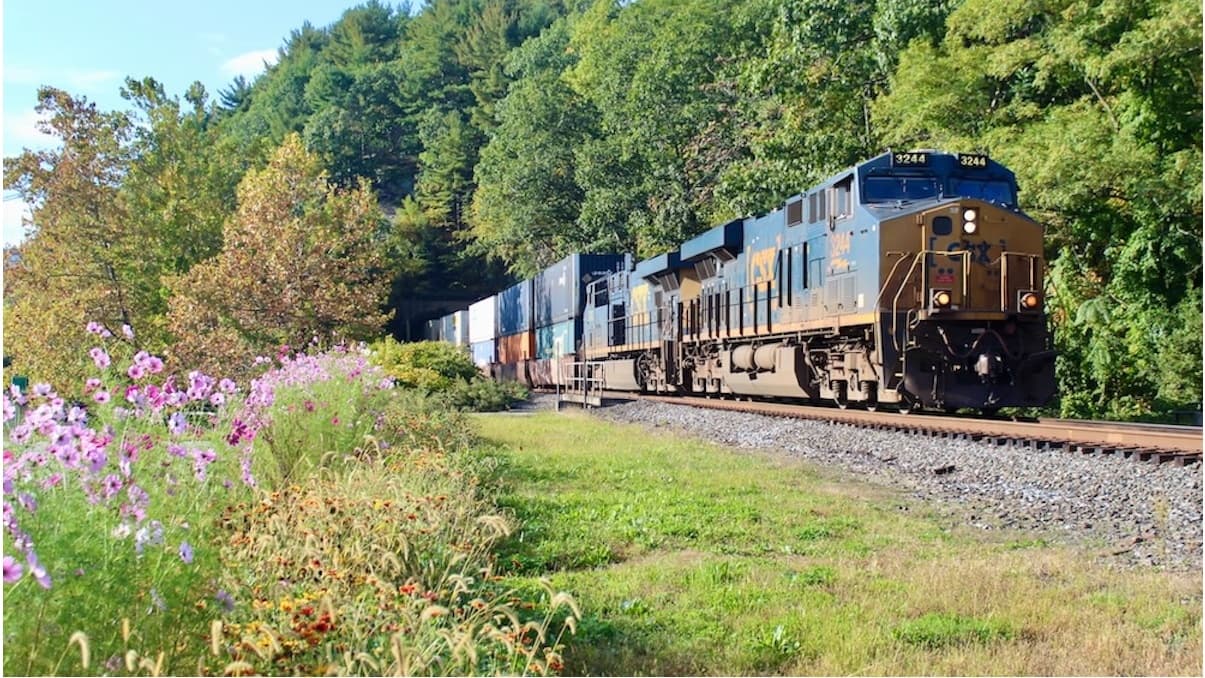
Photo via FreightWaves
According to FreightWaves, rising fuel and trucking costs are fueling a significant surge in intermodal traffic across the U.S. rail network. This shift reflects shippers' economic response to higher trucking expenses, as companies seek more cost-effective transportation alternatives. The result has been a concentration of volume that is testing the capacity limits of the nation's major rail operators.
The surge is placing notable pressure on the Big Four U.S. railroads, which handle a substantial portion of intermodal traffic. These carriers are experiencing slower transit times and operational challenges as they contend with elevated volume levels. The mismatch between demand and available capacity is creating a constraint that extends beyond normal seasonal fluctuations, requiring operational adjustments across the industry.
Industry observers note that while the volume increase benefits railroads financially, it also presents infrastructure and scheduling challenges. Sustained high intermodal volumes could prompt investment in capacity expansion, though near-term congestion appears unavoidable as the industry adjusts to the new demand environment.