Photo via Fast Company
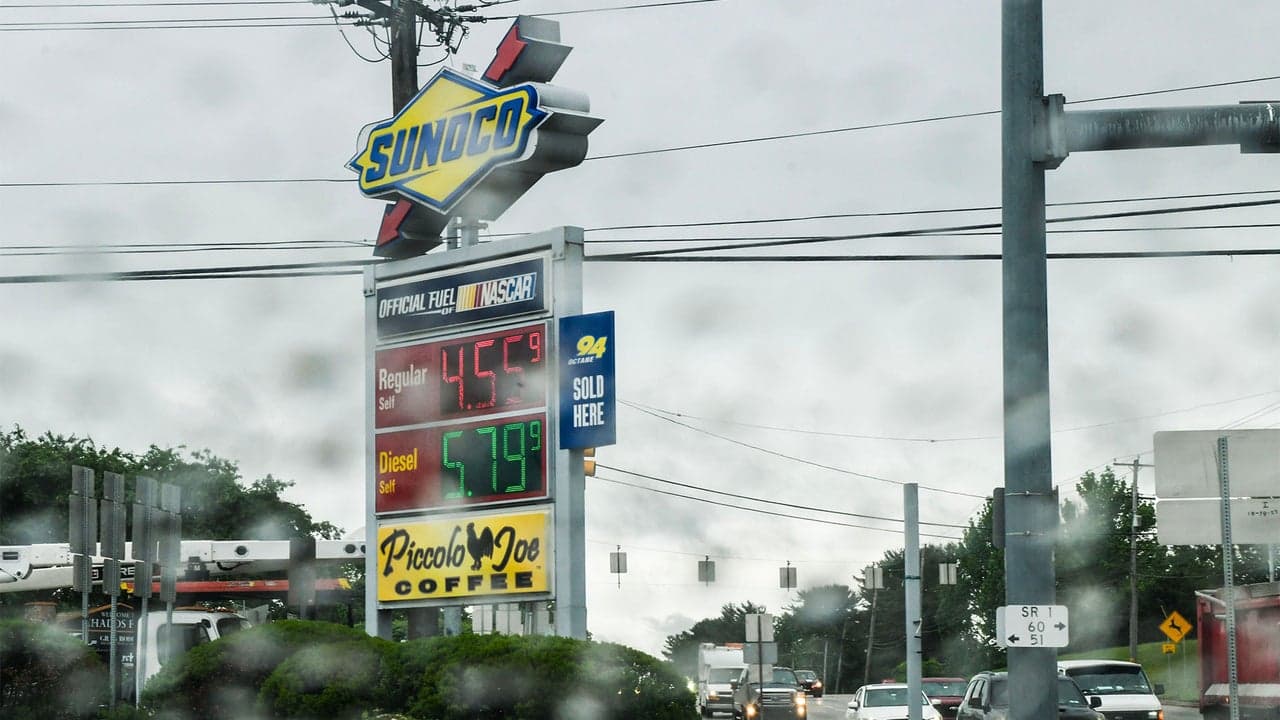
While Dallas residents are acutely aware of gas prices hovering above $4 per gallon, fresh inflation data released in May paints a broader economic concern for North Texas businesses. According to analysis of the Personal Consumption Expenditures Price Index, year-over-year inflation jumped to 3.8%—the fastest pace since 2021—suggesting price pressures are far from limited to the fuel pump. Core inflation, which excludes volatile food and energy categories, rose 3.3%, signaling that underlying cost increases are becoming embedded in the broader economy.
For Dallas-area companies, the ripple effects are already visible. Energy costs don't just raise gasoline prices; they drive up shipping expenses, utility bills, food production costs, and airline fares. April's Consumer Price Index showed energy prices up 18% year-over-year, airline spending up over 20%, and grocery prices posting their largest monthly gain since 2022. Tariff-sensitive sectors like apparel and household furnishings continue climbing as well. These pressures are reducing consumer discretionary spending—the lifeblood of Dallas's retail and hospitality sectors—as households redirect money toward essentials.
The Federal Reserve's response will be crucial for Dallas business planning. New Fed Chair Kevin Warsh faces a delicate balancing act at the central bank's June meeting: combat persistent inflation without strangling economic growth. The Fed currently holds rates at 3.50-3.75%, but according to recent Fed minutes, many officials are considering additional rate increases if inflation remains elevated. Meanwhile, Treasury yields have climbed to their highest levels since 2007, already pushing up mortgage rates and business borrowing costs without any official Fed action—directly impacting Dallas real estate and capital-intensive industries.
Dallas executives should watch how the Fed interprets competing economic signals. Weakening consumer demand and wage growth suggest caution on rate hikes, while rising inflation expectations and widespread cost-passing argue for tighter policy. The divided economy—with AI-related investment supporting some sectors while traditional consumer businesses struggle—means inflation's impact on North Texas will be uneven. Warsh's messaging at the June Fed meeting will signal whether the central bank believes inflation is temporary or structural, fundamentally shaping borrowing costs and business confidence for the remainder of 2026.