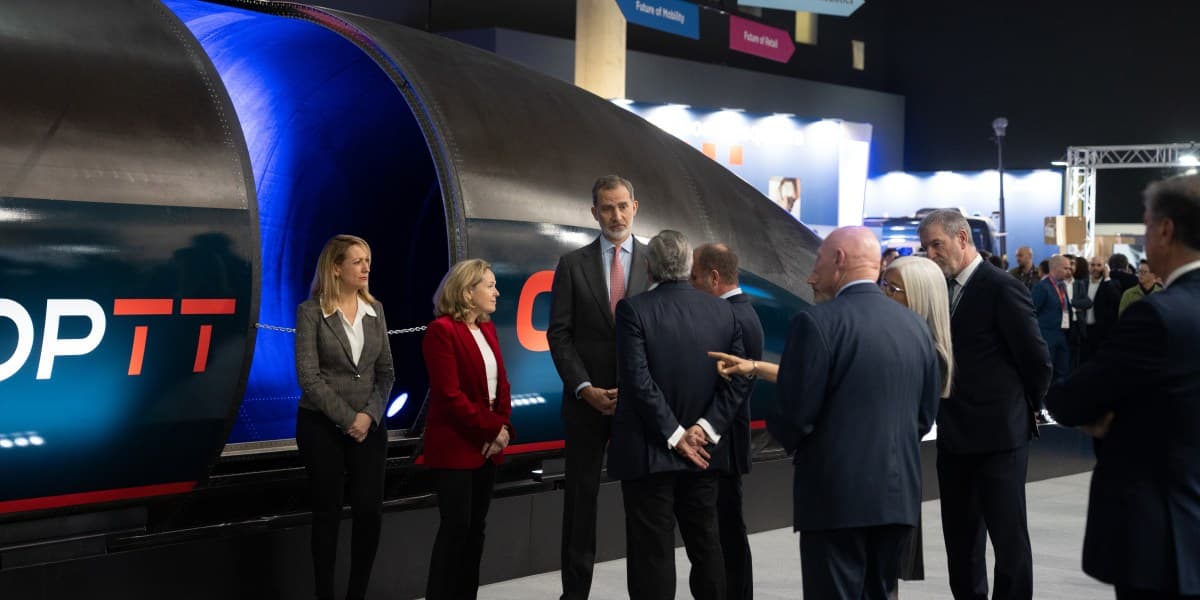
Photo via Fortune
HyperloopTT, the company developing an experimental high-speed transit tunnel in Northern Italy, is facing severe financial distress that has left employees unpaid for months, according to documents reviewed by Fortune. In a shareholder letter, the company's CEO acknowledged the crisis, stating that the firm has failed to meet payroll obligations and still carries months of back salary debt. The revelation raises questions about the startup's viability and investor confidence.
The situation reflects a broader challenge facing transportation and infrastructure startups: the lengthy development timelines and massive capital requirements needed to bring ambitious projects to market. For Dallas-area entrepreneurs and investors focused on logistics, transportation, or infrastructure innovation, HyperloopTT's struggles offer a cautionary tale about the importance of securing sufficient runway and maintaining disciplined financial management during extended development cycles.
The Northern Italy project was positioned as a flagship demonstration of hyperloop technology, intended to showcase the viability of the tube-based transit concept at scale. Instead, the financial crisis has stalled momentum and morale among the team tasked with bringing the vision to life. According to Fortune, the company's inability to cover basic operating expenses suggests deeper issues with funding strategy or revenue generation.
For Texas business leaders and venture capitalists evaluating emerging transportation technologies, HyperloopTT's collapse serves as a reminder that innovation alone cannot sustain a company without sound financial planning. Startups pursuing capital-intensive ventures should ensure adequate funding, realistic timelines, and contingency plans before committing teams to multi-year development efforts.