Photo via Fox News
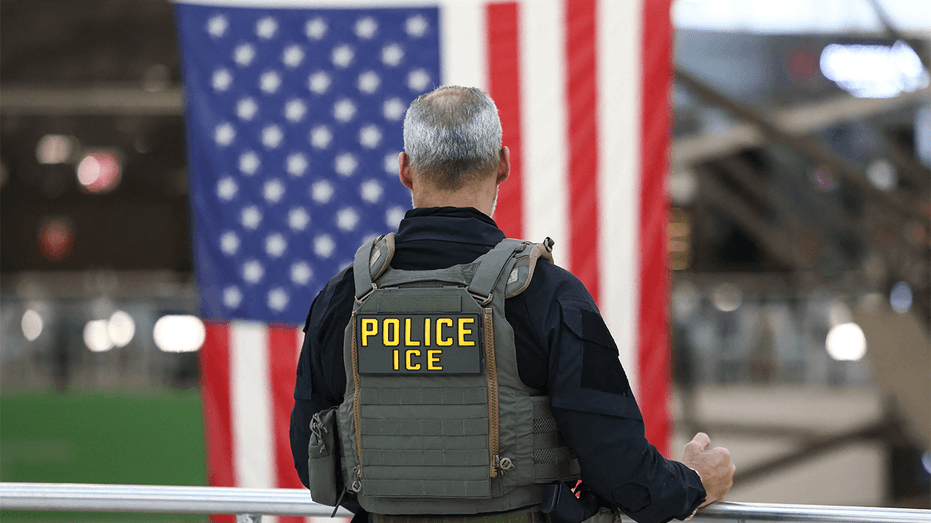
According to the Department of Homeland Security, immigration enforcement agencies arrested more than 900 suspected human traffickers and rescued 180 victims during the 2026 FIFA World Cup, including 30 children. The operation underscores the scale of trafficking networks that exploit major international events as opportunities to move victims across jurisdictions. For Dallas-area business leaders, the crackdown serves as a reminder that human trafficking often operates within supply chains and labor networks that companies may unknowingly interact with.
Major sporting events create operational challenges for law enforcement precisely because they generate significant population movements, temporary labor demands, and logistical complexity. The FIFA World Cup's scale—attracting millions of visitors and requiring extensive hospitality, security, and transportation services—creates conditions where traffickers attempt to exploit vulnerable individuals. Dallas businesses involved in hospitality, retail, or logistics should recognize that vigilance in hiring practices and vendor management directly supports efforts to disrupt these criminal networks.
The success of this enforcement operation reflects coordinated federal efforts, but it also indicates the ongoing nature of the trafficking challenge. For Dallas companies, especially those in industries with transient or contract workforces, understanding the signs of human trafficking and maintaining transparent supply chains has become increasingly important both as a legal and ethical imperative. Organizations can partner with law enforcement and anti-trafficking nonprofits to strengthen their own safeguards while contributing to broader community safety.