Photo via Fortune
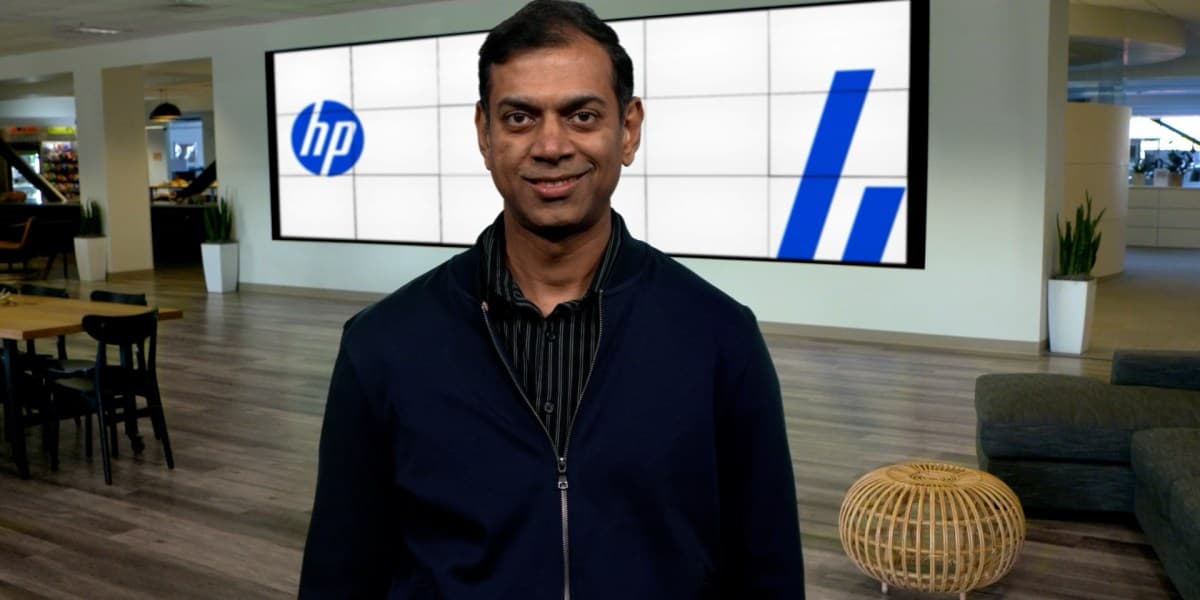
Prakash Arunkundrum has taken on a groundbreaking role as HP's first chief strategy and transformation officer, positioning the technology giant to capitalize on the artificial intelligence PC boom sweeping through enterprise computing. According to Fortune, Arunkundrum is championing edge AI—processing data closer to the source rather than in distant data centers—as a solution to one of the industry's most pressing challenges: the rising cost of AI token generation.
The push toward AI-enabled personal computers has become a significant growth driver for HP's bottom line, particularly as enterprises seek to integrate machine learning capabilities into their workforce technology. However, this expansion comes with a trade-off: memory and processing components required for these advanced systems are becoming more expensive, which threatens to compress profit margins across the PC maker's product portfolio.
By advocating for edge AI implementations, Arunkundrum argues that companies can substantially reduce the computational burden on centralized systems, thereby lowering the cost per token processed—a critical metric for AI efficiency and cost management. This approach allows organizations to perform more intelligence work locally on devices rather than relying solely on expensive cloud infrastructure, creating potential savings opportunities for Dallas-area businesses managing large IT deployments.
For regional technology leaders and enterprise buyers in North Texas, this strategic shift could influence future purchasing decisions around AI-capable workstations and laptops. As HP refines its transformation strategy under Arunkundrum's direction, Dallas business leaders should monitor how edge AI solutions might optimize their own technology spending while maintaining competitive advantages in an increasingly AI-driven market.