Photo via Fast Company
The Rivoli, a 45-year-old Toronto combination restaurant and concert venue, faced an uncertain future when its owners put it up for sale during the pandemic. New owner John Christensen acquired the landmark in 2021 with a clear mission: reconnect the venue with younger audiences who had lost touch with its storied legacy as the birthplace of comedy acts like The Kids in the Hall. The challenge was daunting—longtime patrons had aged out, and the venue's reputation had faded considerably in recent years. For Dallas-area entrepreneurs managing aging entertainment or retail spaces, the Rivoli's turnaround offers a compelling case study in adapting legacy brands for new generations.
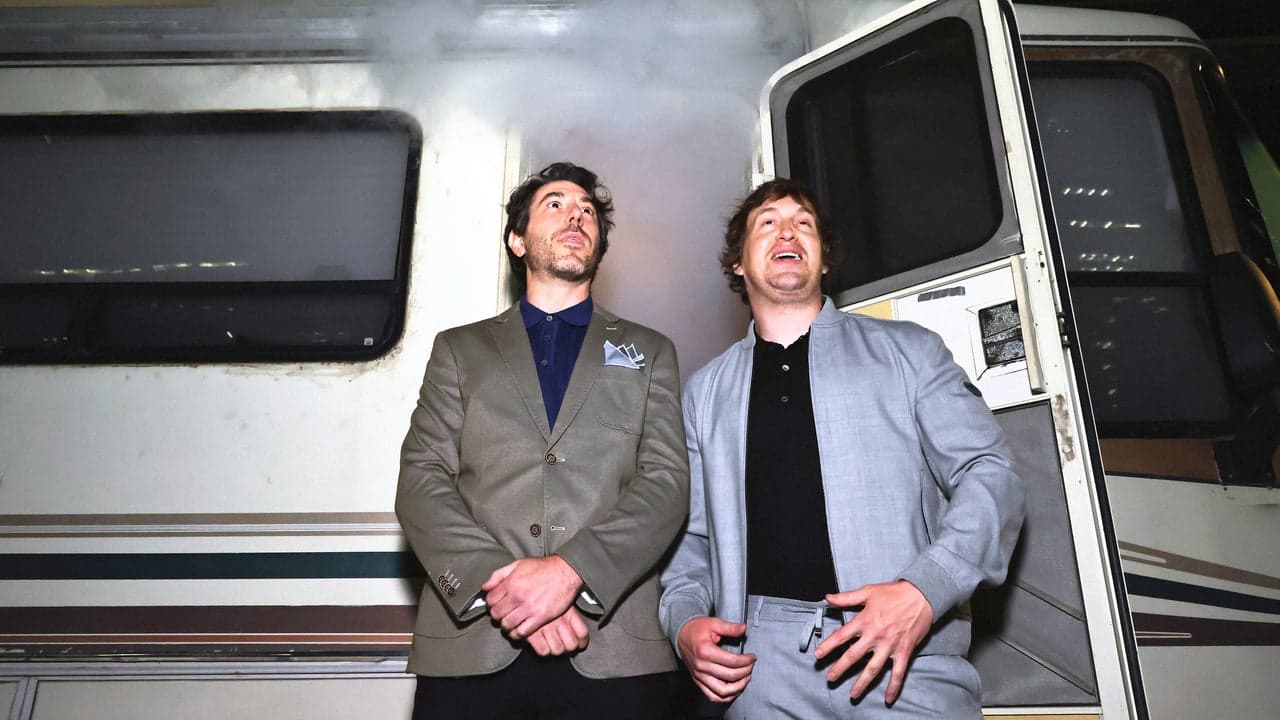
Unexpectedly, the solution arrived through an obscure Canadian comedy project called Nirvanna the Band the Show. Created by filmmaker Matt Johnson and musician Jay McCarrol over two decades as a web series, then Viceland TV show, and finally a 2024 indie film, the project centers on its stars' fictional obsession with booking a gig at the Rivoli. When the film exceeded box office expectations and became a word-of-mouth phenomenon, fans began pilgrimaging to the venue to recreate scenes and take photos—transforming the historic establishment into a cultural destination almost overnight. The movie made back more than double its $2 million budget, validating the power of niche creative projects to drive real-world commercial activity.
Christensen reports that the movie's theatrical run brought substantial increases in dinner traffic and new customer acquisition. More significantly, casual visitors who arrived as curiosity-seekers often converted into repeat customers after experiencing the venue's atmosphere and learning about its actual history. The owner responded strategically by educating his staff on the show's mythology, recognizing that customer engagement around the cultural phenomenon was now central to the business proposition. This approach mirrors strategies used by Dallas-area restaurants and entertainment venues that have leveraged social media moments and pop culture references to drive foot traffic and build community.
The Rivoli's renaissance demonstrates that struggling venues don't necessarily need expensive renovations or marketing overhauls—sometimes a strategic cultural moment, combined with smart management decisions about customer experience, can accomplish what traditional promotions cannot. Johnson notes that the phenomenon has expanded nationally, with hundreds of Americans now making pilgrimages to the venue during North American tours. For local business owners managing entertainment or hospitality spaces, the lesson is clear: being authentically featured in cultural conversations, even unexpectedly, can be worth far more than paid advertising.