Photo via Fansided
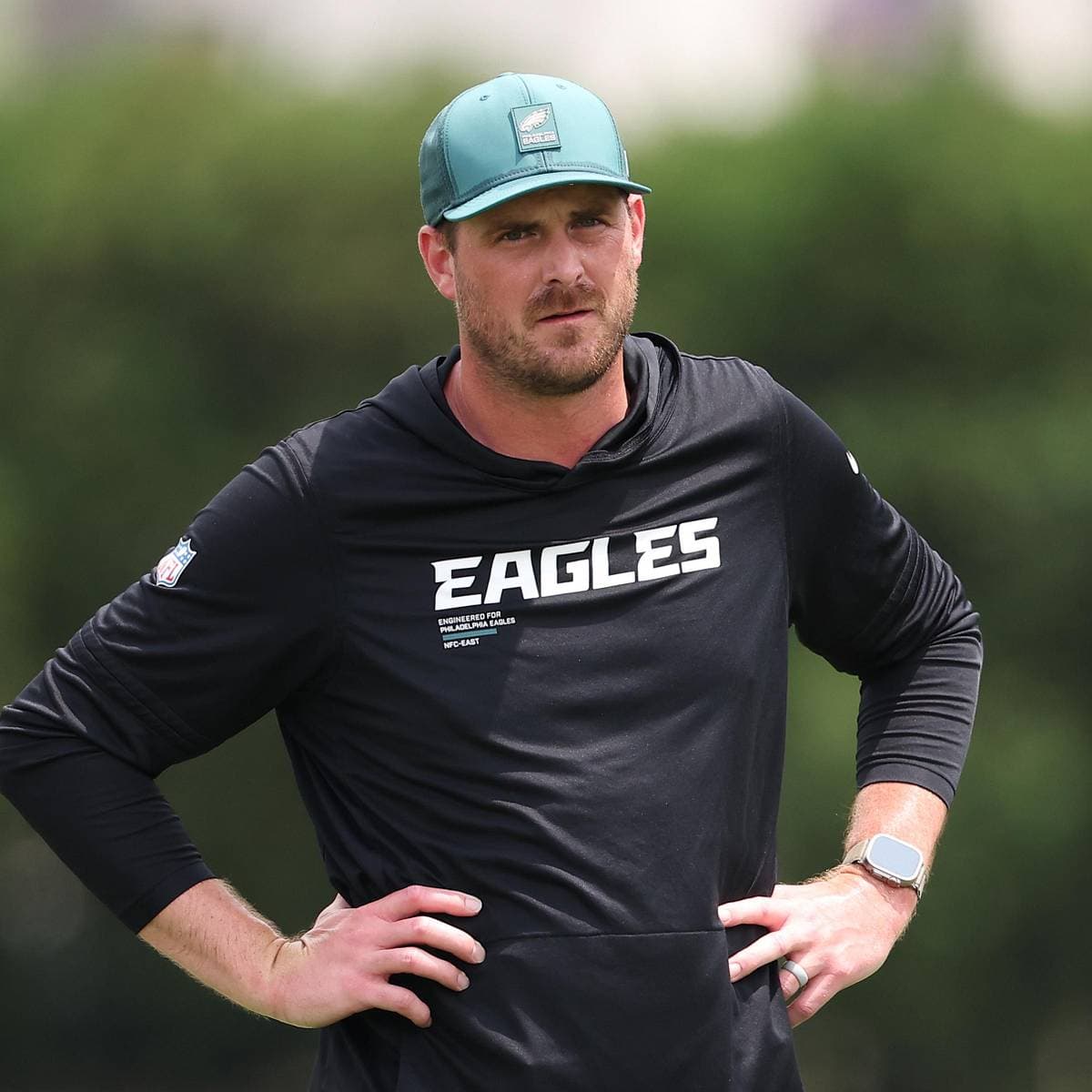
The 2026 NFL offseason has become a critical juncture for strategic decision-making across the league, with each franchise committing significant resources to roster moves that carry substantial risk. According to FanSided's analysis, teams are making calculated bets on player acquisitions, contract extensions, and draft strategies that will ultimately determine competitive viability. For Dallas-area business stakeholders, the Dallas Cowboys' own strategic positioning reflects broader trends in how sports franchises balance financial investment with on-field performance—decisions that ripple through local sponsorships, media rights, and stadium operations.
The nature of these organizational gambles varies widely across the league. Some teams are doubling down on veteran talent despite aging rosters, while others are banking on young prospects to develop into franchise cornerstones. These choices reveal fundamental business philosophies: short-term competitive windows versus long-term sustainability. The financial implications are substantial, affecting salary cap management, revenue projections, and stakeholder confidence—metrics that local business analysts monitor closely when evaluating regional sports economy health.
Success in professional sports franchises increasingly mirrors corporate strategy: calculated risk-taking, talent acquisition, and resource allocation determine outcomes. Teams that execute their offseason plans effectively gain competitive advantages that translate into fan engagement, merchandise sales, and playoff revenue opportunities. Conversely, misaligned bets can undermine organizational credibility and financial performance for years. For Dallas business professionals, these NFL dynamics offer instructive lessons in strategic planning and the consequences of high-stakes decision-making under uncertainty.