Photo via Fox 13 Seattle
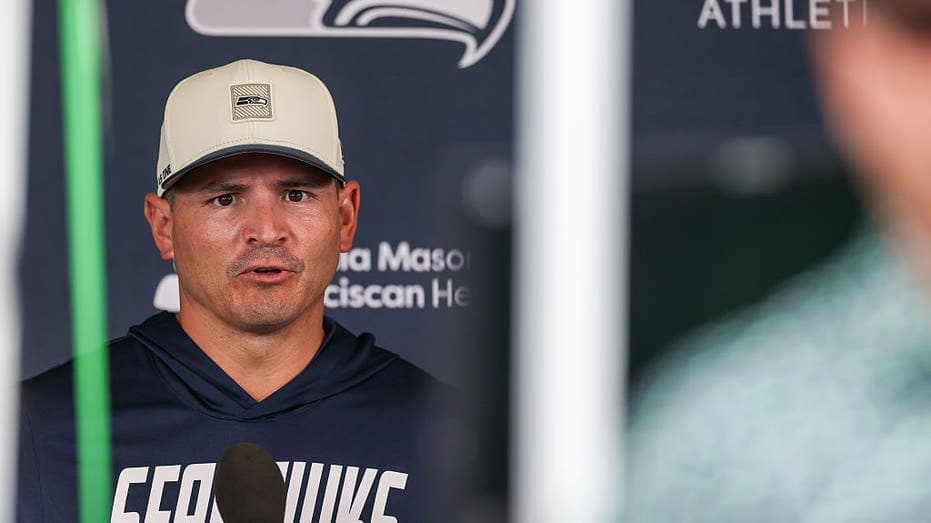
When organizations face unconventional hiring decisions, the strength of internal networks often becomes the deciding factor. According to Fox 13 Seattle, Seattle Seahawks head coach Mike Macdonald cited the team's extensive connections to player Terrion Arnold as instrumental in their decision-making process surrounding his recruitment, despite significant legal challenges the candidate faced in Florida. This scenario underscores how institutional relationships can shape personnel decisions in ways that extend beyond traditional vetting.
For Dallas business leaders, the Seahawks' approach raises important questions about risk management and due diligence in hiring. While professional sports operate under different regulatory frameworks than most industries, the principle of leveraging trusted networks for information gathering remains relevant across sectors. Organizations must balance the insights gained through internal connections with formal background checks and compliance reviews to make informed decisions about candidates with complicated circumstances.
The situation also highlights the tension between second-chance hiring philosophies and organizational risk mitigation. As Dallas-area companies increasingly focus on workforce development and talent retention, understanding how to evaluate candidates with legal or background complexities—while maintaining ethical standards—becomes a critical leadership competency. Decision-makers who can navigate these nuanced situations with transparency and proper governance structures build stronger, more resilient organizations.