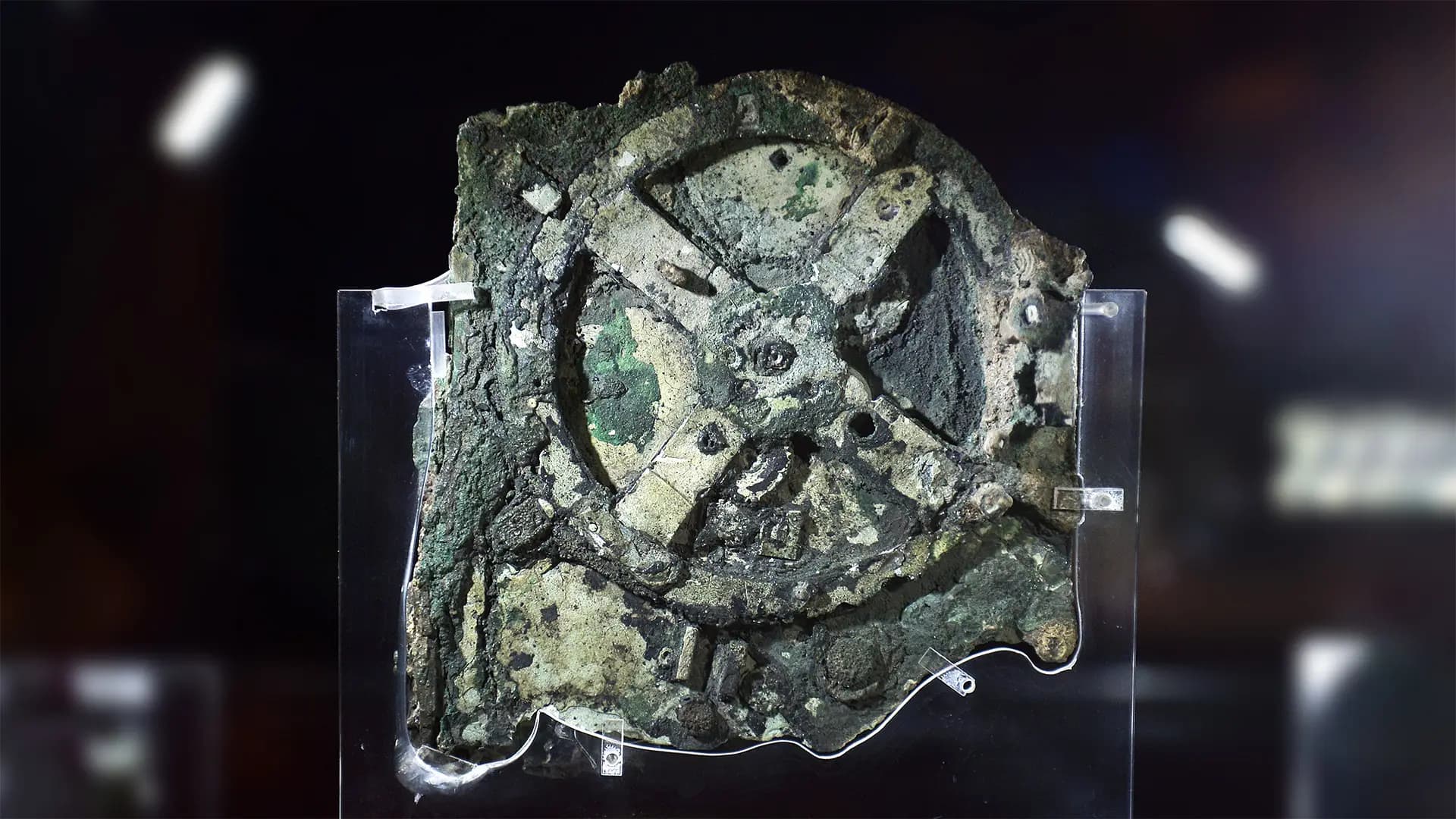
Photo via Inc.
The collaboration between a content creator and academic researchers on the Antikythera Mechanism demonstrates a shifting paradigm in how problems get solved. According to reporting from Inc., a YouTuber's experimental approach prompted scientists to revisit one of archaeology's enduring puzzles—the world's oldest known computer, a 2,000-year-old Greek artifact. This convergence of digital-native creators and established scientific institutions reflects broader trends in how innovation happens across industries.
For Dallas-area businesses and entrepreneurs, this case study illustrates the value of cross-disciplinary partnerships and non-traditional expertise. The creator economy continues to reshape how knowledge is distributed and problems are tackled, moving beyond traditional institutional gatekeeping. Companies in North Texas increasingly recognize that fresh perspectives from digital platforms can accelerate problem-solving and research—particularly in technology, engineering, and product development sectors.
The Antikythera Mechanism represents humanity's earliest known example of analog computing, with complexity that puzzled researchers for generations. A YouTuber's hands-on experimentation—and the documentation of that process—provided new insights that prompted formal scientific reexamination. This demonstrates how transparent, iterative approaches to challenging problems can unlock breakthroughs that traditional research alone might miss.
The lesson extends beyond academia. Dallas business leaders should recognize that innovation increasingly emerges from unexpected sources and unconventional collaborations. Whether in tech startups, manufacturing, or professional services, inviting external perspectives and embracing creator-driven methodologies can uncover solutions to persistent business challenges. The most competitive organizations will be those willing to bridge the gap between established expertise and emerging digital-native approaches.