Photo via Inc.
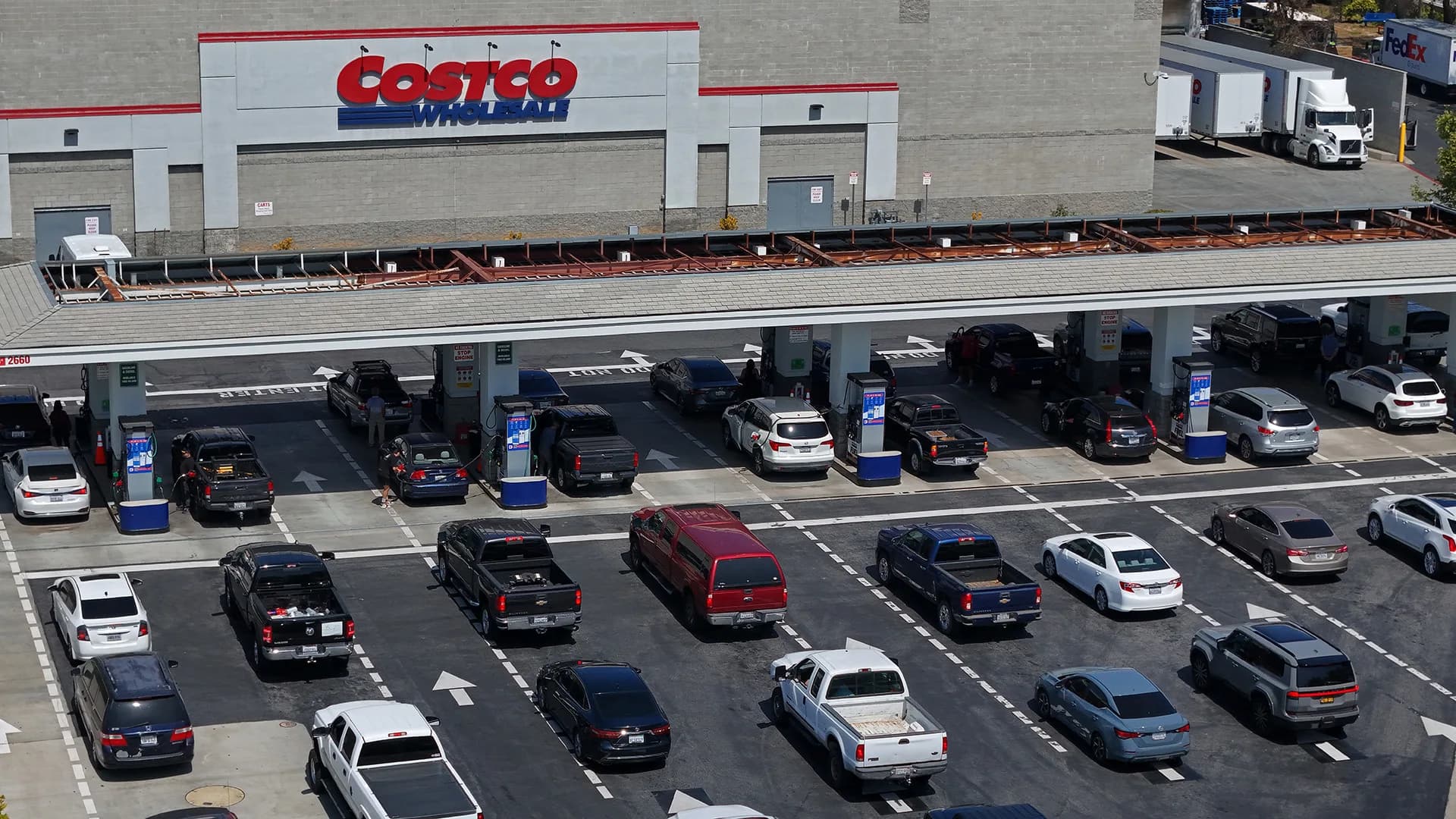
Costco's leadership has highlighted an unexpected competitive advantage in today's economic environment: discounted fuel pricing. As gas prices remain volatile, the wholesale retailer's ability to offer below-market fuel costs has become a significant draw for membership renewals and increased store visits, according to reporting from Inc. This strategy underscores how external market pressures can reshape customer behavior and loyalty programs across the retail sector.
For Dallas-area businesses and consumers, Costco's fuel advantage carries particular relevance given Texas's transportation-dependent economy. The strategy creates a ripple effect throughout retail—members visiting gas stations are more likely to shop inside the warehouse, increasing basket size and overall spending. This cross-selling dynamic demonstrates how ancillary services can anchor customer relationships in competitive markets.
The fuel-driven loyalty model reflects broader consumer priorities shifting in response to inflation. Rather than competing solely on product selection or pricing within categories, Costco has leveraged its scale to offer genuine savings on a necessity that affects household budgets directly. Other regional retailers watching this model may consider how similar bundled benefits could strengthen their own membership or loyalty programs.
As Dallas-area retail leaders assess their competitive positioning, Costco's approach offers a lesson in understanding what truly drives repeat visits. By addressing a fundamental cost pressure—fuel—the company has created a virtuous cycle where membership commitment strengthens precisely when households are most price-conscious. This insight may prompt other retailers to evaluate which customer pain points their business model could help address.