California cities are implementing increasingly strict policies targeting recreational vehicles used as housing, viewing them as both a public nuisance and a visible manifestation of the state's homelessness epidemic. According to The New York Times, these crackdowns reflect growing frustration among residents and elected officials who see the vehicles as symbols of urban decay, even as the people living in them argue they're being criminalized for their poverty.
The conflict highlights a fundamental tension in how municipalities address homelessness: enforcement versus compassion. Some California jurisdictions have enacted parking restrictions, towing programs, and vehicle codes that effectively ban RVs from residential areas. However, advocates contend these measures simply displace vulnerable populations rather than solving underlying housing affordability and mental health challenges that fuel homelessness.
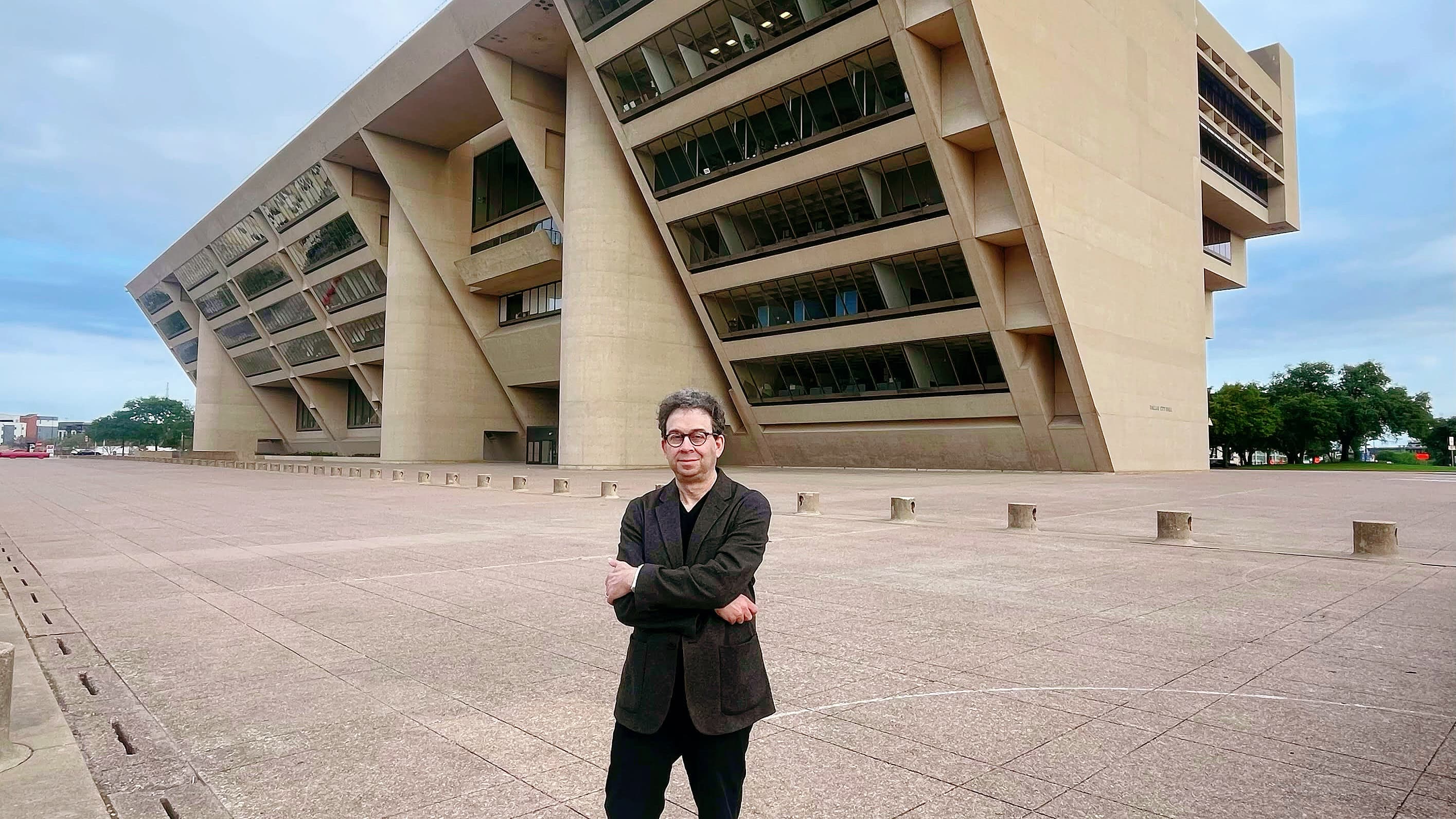
For Dallas-area business and real estate leaders, California's experience offers cautionary lessons about the intersection of housing policy and urban livability. As North Texas continues its rapid growth and housing costs climb, the region faces pressure to develop comprehensive homelessness strategies before visible encampments become as politically contentious as they are in West Coast cities.
The broader question facing cities nationwide is whether criminalization tactics address root causes or merely push problems elsewhere. Business leaders in Dallas should engage constructively in policy discussions about workforce housing, mental health services, and sustainable solutions—recognizing that long-term economic vitality depends on communities being both livable and humane.