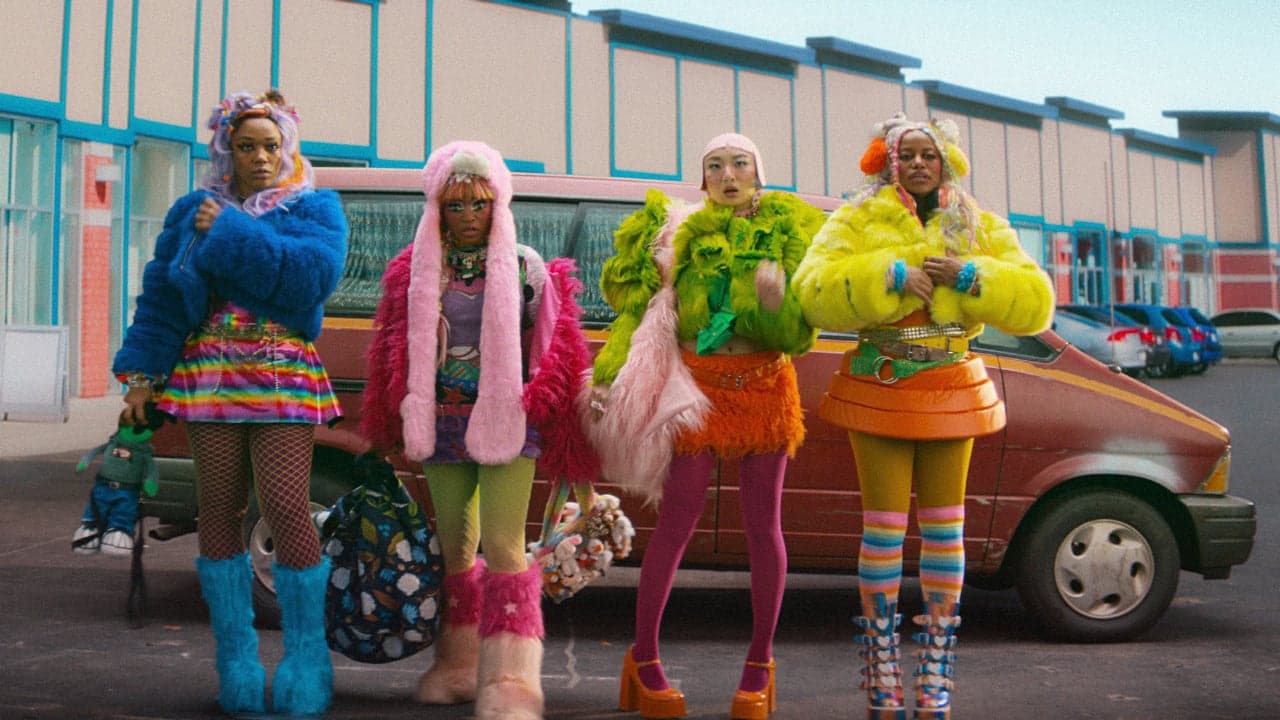
Photo via Fast Company
The film industry has faced growing criticism for its desaturated aesthetic—a trend that extends across major studios from Marvel to Disney. According to Fast Company, audiences are increasingly vocal about their preference for vibrant, visually distinctive worlds on screen. This backlash reveals something important for Dallas-area retailers and brand leaders: visual identity and color strategy matter more than ever in capturing consumer attention.
Oscar-nominated costume designer Shirley Kurata demonstrates how intentional color choices create distinct brand environments. In her work on the film "I Love Boosters," she collaborated closely with production designers to ensure each monochromatic department store location had a signature color applied to walls, products, and even employee uniforms. This layered approach to color—treating it as a core branding element rather than an afterthought—mirrors strategies that successful retail concepts use to create memorable shopping experiences.
Kurata's philosophy extends beyond aesthetics to business ethics. She actively sourced designs from fashion students and ensured her production practices aligned with the film's anti-capitalist message about fast fashion and worker treatment. For Dallas-based retailers and apparel companies, this integration of values into visual storytelling represents an emerging consumer expectation: brands that authentically embed their principles into every touchpoint gain competitive advantage.
The broader lesson for business leaders is that visual coherence and intentional design create emotional resonance. As streaming platforms and digital retail continue reshaping how consumers engage with brands, the ability to stand out through distinctive, purposeful aesthetics—rather than blending into industry defaults—becomes a strategic differentiator in competitive markets.