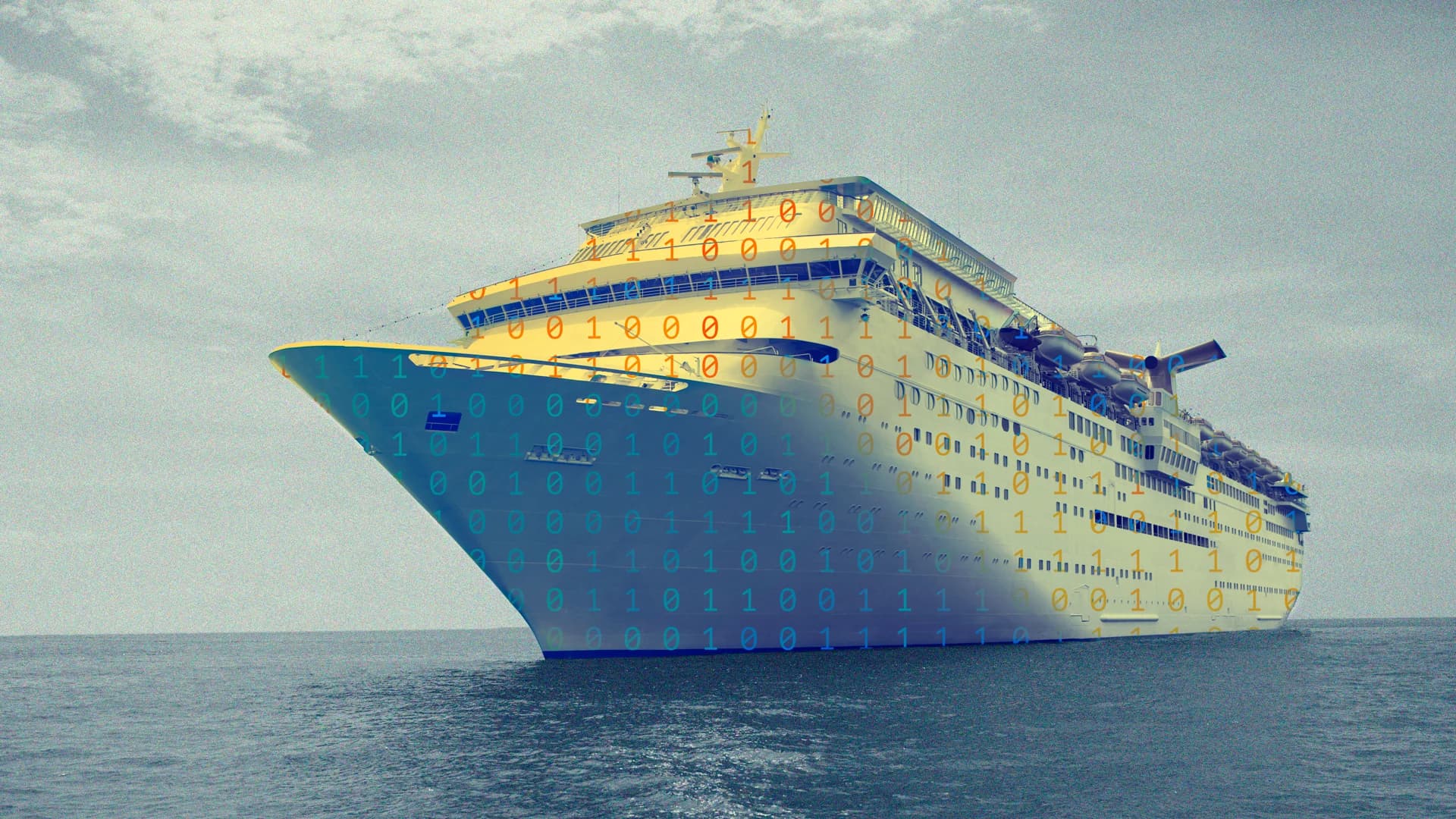
Photo via Inc.
The hospitality industry, long defined by personal service and human interaction, is undergoing a quiet but significant transformation through artificial intelligence integration. According to Inc., cruise lines are increasingly adopting AI technologies to streamline operations and personalize guest experiences, without generating the customer resistance many predicted. This shift reflects a broader recognition that technology and human service can coexist rather than compete.
For Dallas-area hospitality and service businesses, the implications are substantial. Hotels, restaurants, and event venues across North Texas are watching how major cruise operators deploy AI for tasks ranging from customer service to operational efficiency. The acceptance of these technologies by consumers suggests that Dallas companies in hospitality and leisure sectors may find similar adoption rates when implementing AI solutions thoughtfully.
The success of AI in cruise ship environments hinges on maintaining the human element while automating routine processes. Rather than replacing staff, these implementations often augment employee capabilities, allowing hospitality workers to focus on high-value guest interactions. This model could offer Dallas businesses a blueprint for technology adoption that preserves the service quality their customers expect.
As hospitality continues evolving, Dallas business leaders should consider how AI might enhance their operations without compromising the personal touch that defines their industry. The cruise line experience demonstrates that guests evaluate technology based on whether it improves their experience—a lesson applicable to any Dallas hospitality or service business seeking competitive advantage in an increasingly digital marketplace.