Photo via Fortune
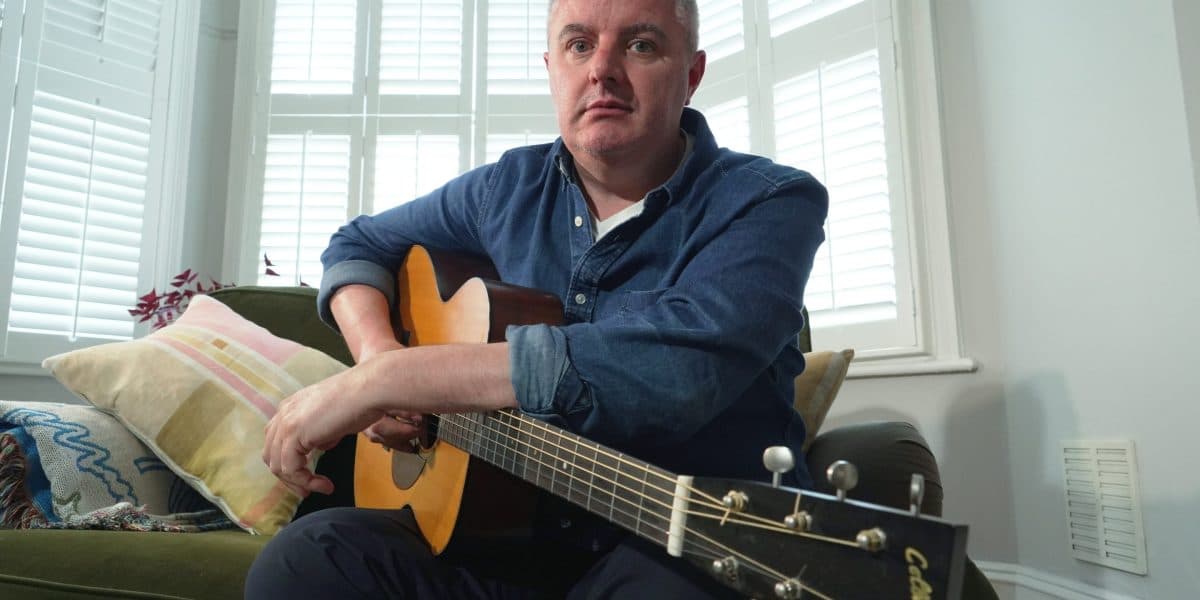
The intersection of artificial intelligence and creative work is becoming increasingly complex as musicians explore new tools to adapt to physical limitations. According to Fortune, Samuel Smith, a 49-year-old singer-songwriter, has turned to AI technology to continue his music career after Parkinson's disease significantly impaired his ability to play guitar—a craft central to his artistic identity for decades.
Smith's diagnosis in 2020 presented a stark challenge: how to maintain his creative output when motor control, a fundamental requirement for guitar playing, was being systematically diminished by the progressive neurological condition. Rather than abandon music entirely, Smith leveraged AI tools to adapt his production process, ultimately completing and releasing his second album, 'The Art of Letting,' demonstrating that technology can serve as an accessibility bridge in creative fields.
The case highlights broader conversations within the music industry about AI's proper role and ethical boundaries. While some musicians and industry professionals voice concerns about artificial intelligence threatening traditional musicianship and employment, Smith's experience illustrates how the same technology can empower individuals facing health-related barriers to artistic expression.
For Dallas-area creative entrepreneurs and technology companies, Smith's story underscores an emerging market opportunity: developing accessible tools that enable artists with disabilities or health conditions to continue their work. As AI capabilities expand, the region's growing tech sector could position itself at the forefront of adaptive creative technologies that serve both commercial and humanitarian purposes.