Photo via Fortune
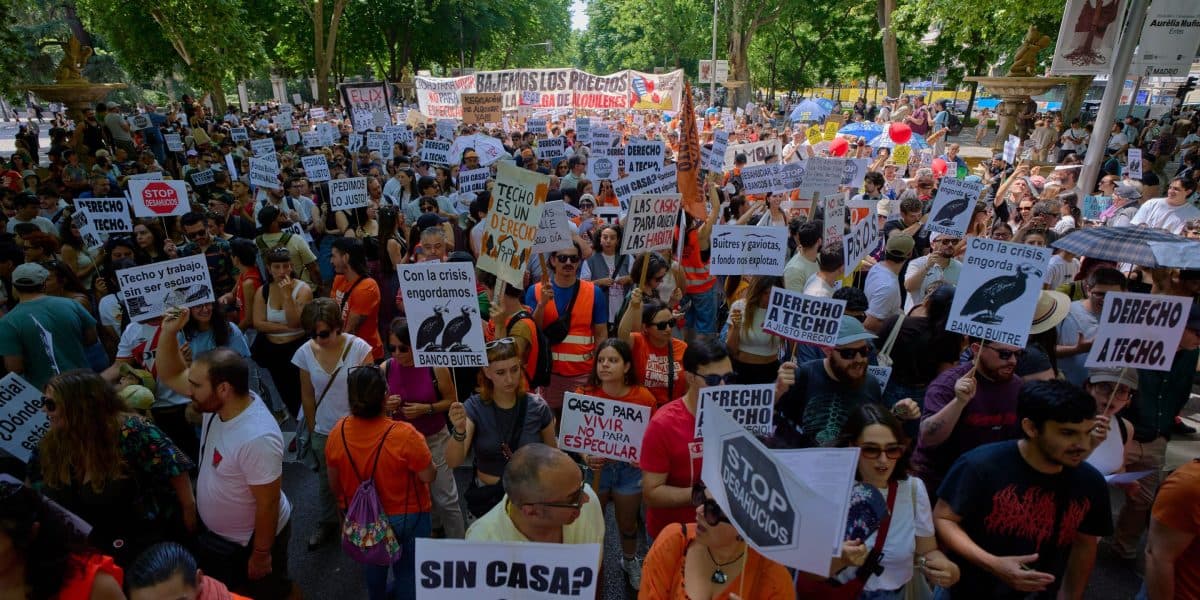
Madrid's residential market is experiencing unprecedented pressure, with housing costs surging 13% annually, according to Fortune. The crisis has sparked organized protests from renters demanding policy intervention to address affordability. Prime Minister Pedro Sánchez proposed a €7 billion solution package, but a rental freeze bill failed to advance through Parliament, leaving the housing shortage largely unaddressed. The situation mirrors challenges facing major U.S. metros, including Dallas, where rapid population growth has strained affordable housing availability.
The Madrid housing crunch stems partly from an influx of short-term tourist rentals that have converted residential units from long-term occupancy to vacation properties. Protesters carrying signs reading 'We want neighbors, not tourists' highlighted how tourism-driven real estate speculation displaces permanent residents and reduces the overall housing supply. This dynamic parallels concerns in Dallas neighborhoods where corporate-backed rental platforms and conversion of apartments to short-term rentals have contributed to affordability pressures and community destabilization.
Madrid's failed legislative approach—attempting to freeze rents—underscores the political complexity of housing policy. When market-based solutions and government intervention collide, gridlock often results, leaving supply-demand imbalances unresolved. Dallas leadership should study both Madrid's policy failures and alternative approaches, such as zoning reforms, inclusionary housing requirements, and transit-oriented development that naturally increases supply rather than imposing price controls that may reduce new construction.
For Dallas business leaders and real estate professionals, Madrid's experience serves as a case study in unintended consequences. Rapid growth driven by external demand—whether tourism or corporate relocation—can destabilize neighborhoods and trigger social friction. Forward-thinking Dallas developers and policymakers would be wise to balance profit motive with community stability, investing in mixed-income housing and considering long-term neighborhood health alongside short-term returns.