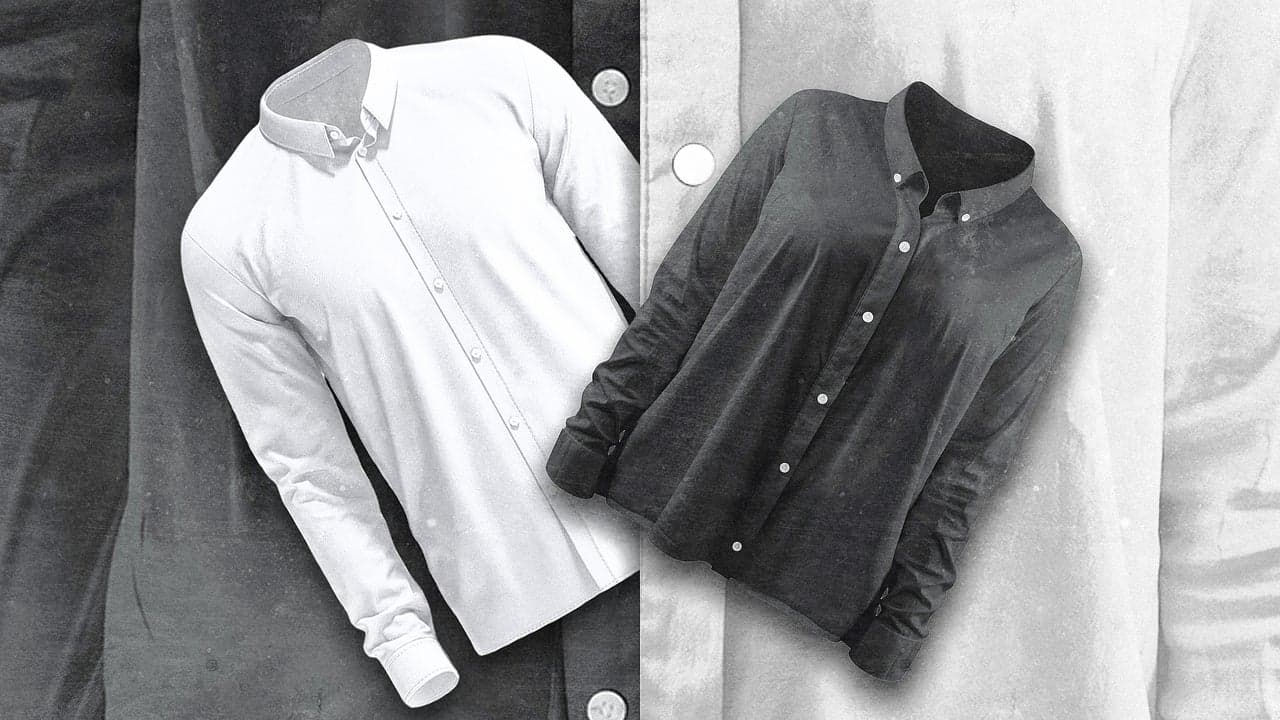
Photo via Fast Company
Centuries-old traditions continue to shape the products on retail shelves across Dallas and beyond. According to fashion historians at Mississippi State University, the placement of buttons and zippers on clothing reflects deeply rooted historical practices rather than functional necessity. Women's garments typically feature left-side closures while men's typically feature right-side ones—a distinction that traces back to European nobility and class distinctions, not ergonomic design.
The origin of this gendered convention reveals how material culture encodes social history. Wealthy European women of earlier centuries wore elaborate garments requiring assistance to don, and servants would fasten clothing while standing directly in front of their employers. With approximately 90 percent of the population right-handed, placing buttons on the wearer's left side made the fastening task easier for the servant using her dominant hand. Men's garments, by contrast, were designed for self-dressing, with right-side closures optimized for the wearer's own right hand.
Once industrial manufacturing arrived in the 19th century, these gendered conventions became standardized and locked into factory production patterns. When zippers gained popularity in the early 1900s, clothing manufacturers simply replicated existing button-side conventions rather than establishing new standards. This case study illustrates how historical practices can become embedded in product design long after their original purpose becomes obsolete.
Today's fashion industry shows signs of breaking these traditions. Many brands now produce gender-neutral and unisex clothing without adhering to the historical left-right split. For Dallas-area retailers and manufacturers considering product innovation or private-label development, the lesson is clear: questioning inherited design conventions can open new market opportunities and appeal to modern consumers who value functionality over tradition.