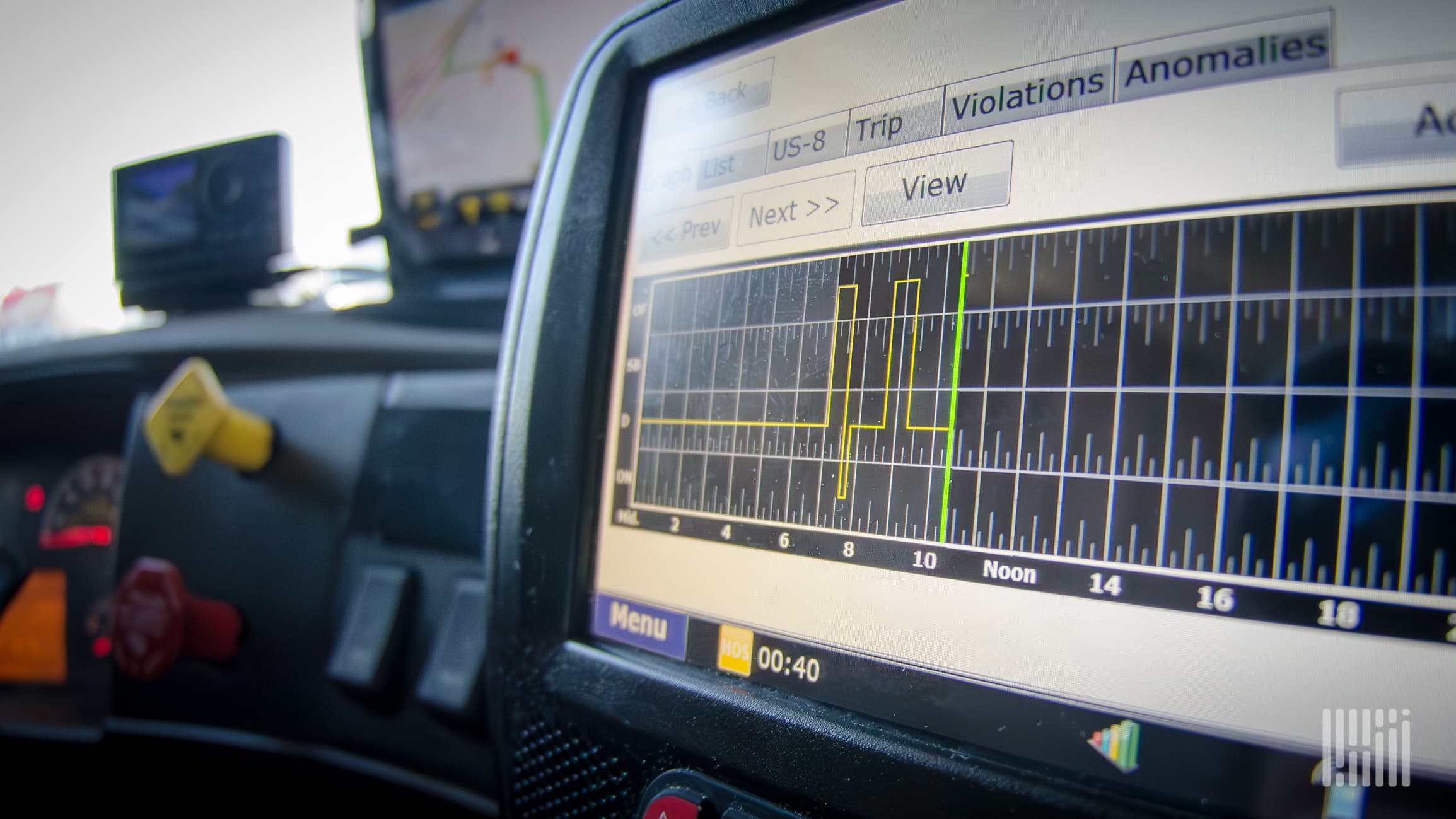
Photo via FreightWaves
Two Republican members of the House of Representatives have introduced legislation aimed at closing what they characterize as a significant regulatory loophole in federal electronic logging device (ELD) standards. According to FreightWaves, Representatives Greg Steube of Florida and Dave Taylor of Ohio brought the measure before Congress to address concerns that current rules allow ELD records to be altered from locations outside U.S. borders, potentially compromising the integrity of hours-of-service compliance documentation.
The legislation represents an effort by congressional Republicans to strengthen enforcement mechanisms within the trucking industry's digital record-keeping infrastructure. Hours-of-service regulations, which limit driver working hours to prevent fatigue-related accidents, depend on accurate ELD documentation. By targeting the ability to remotely modify these records from foreign locations, the lawmakers aim to eliminate a compliance vulnerability that could undermine transportation safety standards.
The initiative reflects broader concerns within the trucking sector about data security and regulatory compliance. As the industry increasingly relies on digital technologies to track driver activities, lawmakers are seeking to ensure that the systems designed to protect public safety remain secure from unauthorized access or manipulation, particularly across international boundaries.