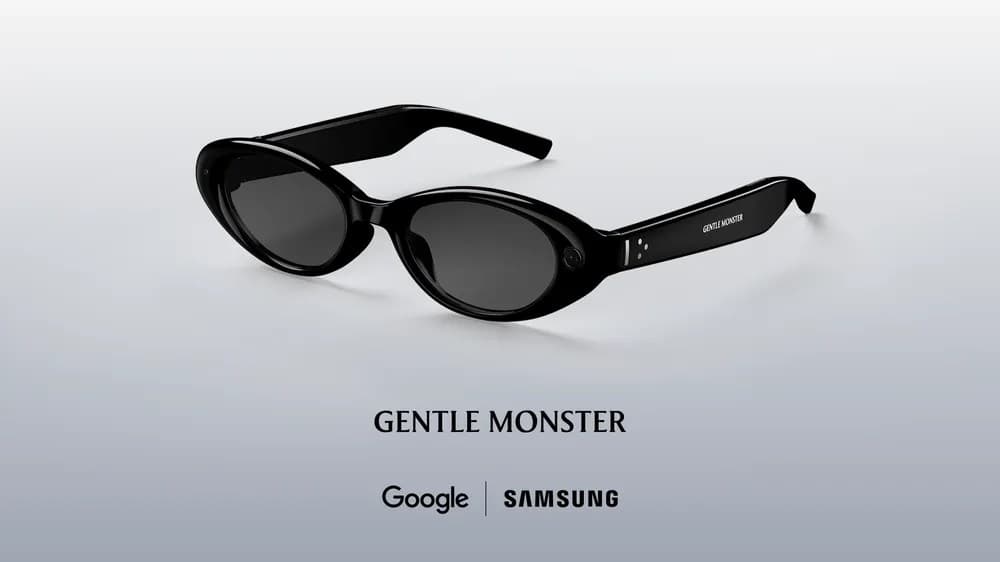
Photo via TechCrunch
Google has unveiled prototype augmented reality glasses powered by its Gemini AI platform, marking a significant step toward wearable technology that overlays digital information directly into users' vision. According to TechCrunch's hands-on review, the Android XR glasses integrate translation, navigation, and contextual data seamlessly into the wearer's field of view, eliminating the need to constantly check handheld devices.
For Dallas-area businesses, particularly in professional services, logistics, and field operations, this technology could reshape workplace efficiency. Technicians, sales representatives, and consultants could access real-time information, customer data, and translation services without breaking focus on their immediate task—a capability that could improve productivity across sectors from healthcare to manufacturing.
While the prototypes remain in development stages and consumer availability remains uncertain, Google's progress suggests that mainstream AR glasses adoption may be closer than previously anticipated. The integration of Gemini AI indicates the company is prioritizing practical, business-relevant features over novelty applications, addressing the gap between early AR experiments and enterprise-ready solutions.
Dallas technology leaders should monitor this development as a potential competitive advantage. Early adoption of AR-enhanced workflows could position local companies ahead of regional competitors, particularly as remote work and field operations become increasingly central to business strategy. The glasses represent a broader shift toward ambient computing—where technology fades into the background while enhancing decision-making and efficiency.