Photo via Fast Company
Google is undergoing significant organizational shifts as artificial intelligence reshapes employee roles and responsibilities. According to Fast Company, software engineers at Google are transitioning from writing code to directing teams of AI agents, with some assuming new titles like product engineers or architects. This transformation reflects a broader trend as companies integrate AI capabilities into their core operations, raising questions about how Dallas-area tech firms and enterprise clients should prepare for similar changes.
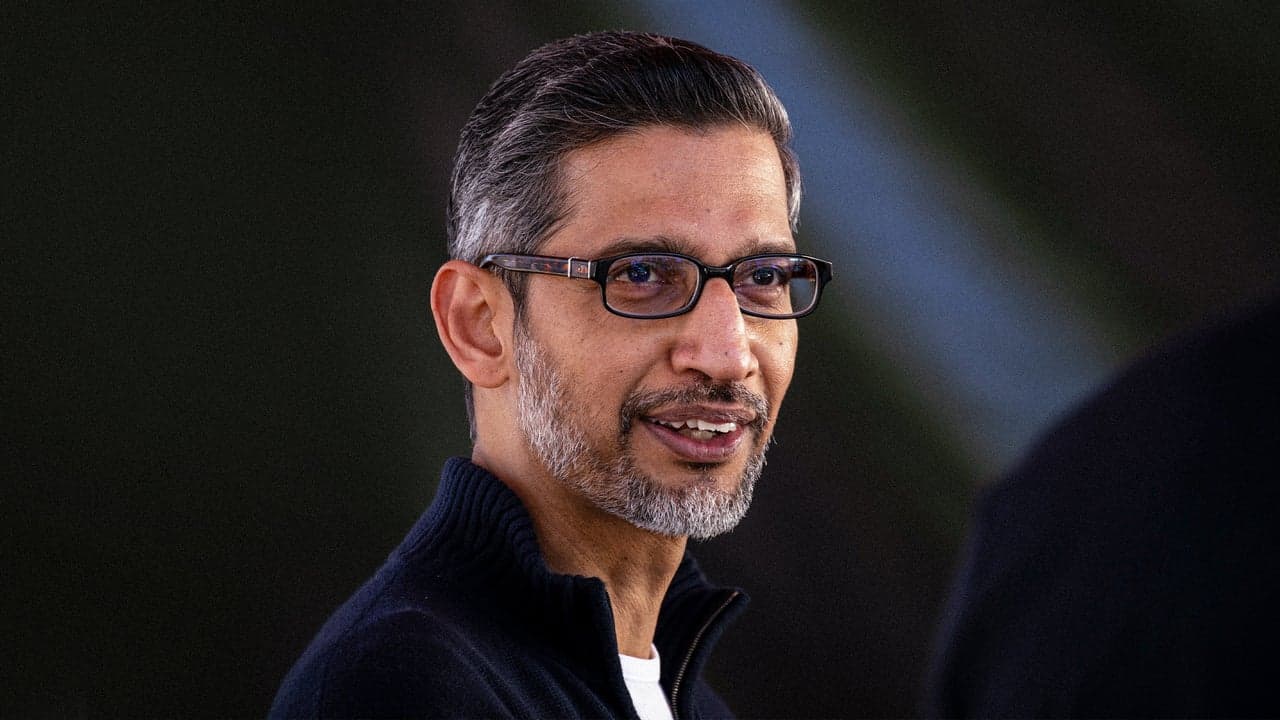
During a recent interview with The Verge, Google CEO Sundar Pichai downplayed concerns that AI will eliminate executive positions, asserting that the CEO role is fundamentally straightforward. Pichai emphasized that most business decisions are not consequential, and that AI's real value lies in enabling more rational choices and allowing organizations to operate at higher efficiency levels. He compared the shift to previous workplace innovations like spreadsheets—transformative tools that companies adapted to within a few years, rather than overnight disruptions.
However, some industry leaders are pursuing more aggressive restructuring. Block's Jack Dorsey has proposed eliminating middle management entirely through a 6,000-person flat reporting structure, while Meta is concentrating AI engineering under single managers. Pichai stopped short of endorsing such extreme measures at Google, noting that organizational structure depends on company size and product complexity. For large-scale operations like Google Cloud, he argued, maintaining clear leadership hierarchies remains essential during periods of rapid technological change.
Pichai also addressed growing public anxiety about AI's societal impact, particularly after former Google CEO Eric Schmidt was booed at a university commencement for discussing AI's rise. While acknowledging legitimate concerns about job market disruption, Pichai framed AI as humanity's most significant technological challenge and suggested artificial general intelligence may arrive sooner than expected. He called for proactive societal preparation, a message Dallas business leaders should heed as they navigate workforce planning and talent strategy in an AI-driven economy.