Photo via Inc.
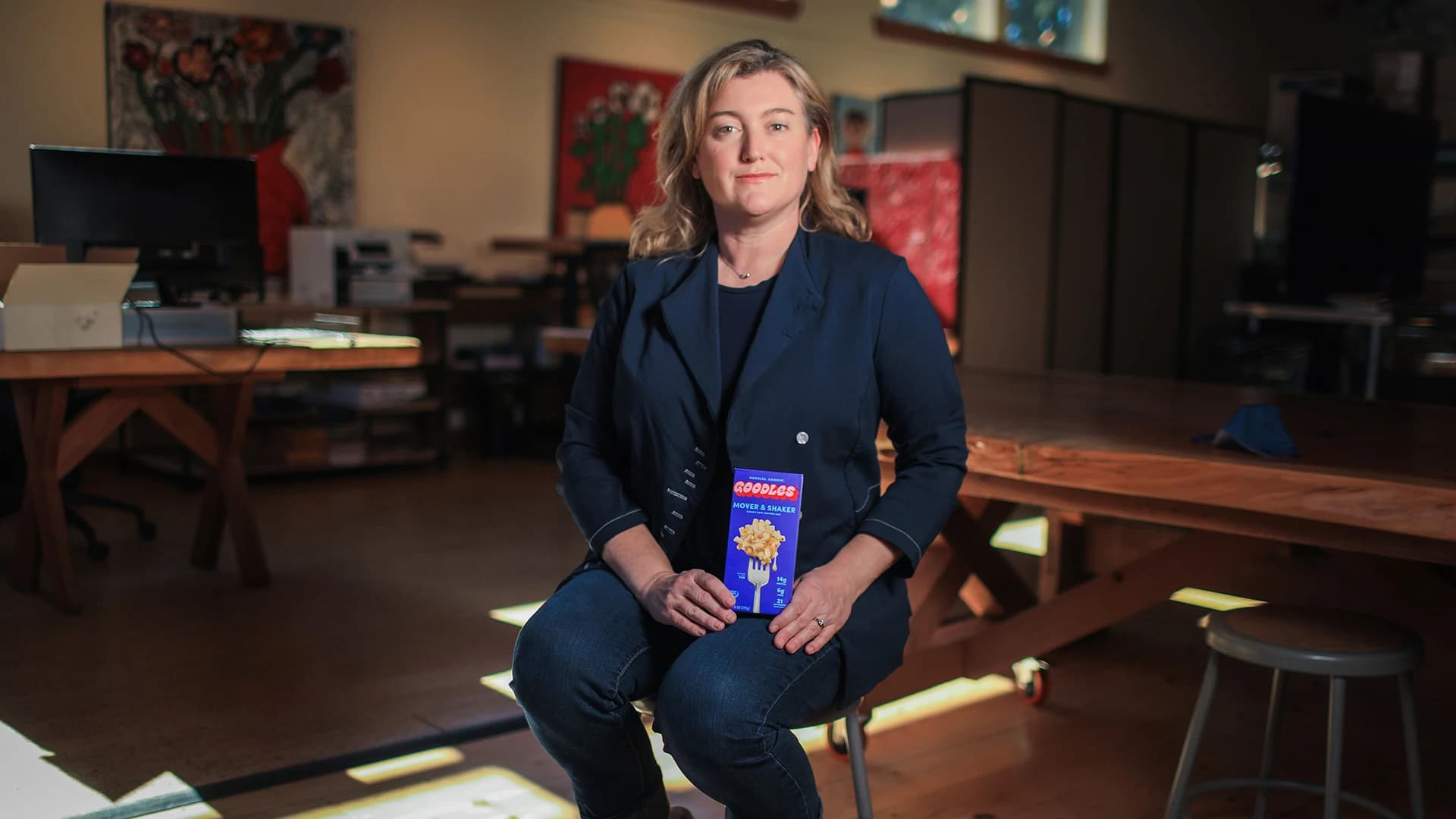
Goodles, a direct-to-consumer food brand, has become a case study in unconventional startup success. According to Inc., the company rejected more than 100 potential investors who expressed doubt about its viability, yet managed to build substantial market traction through alternative growth channels. The brand's trajectory offers lessons for Dallas entrepreneurs navigating the traditional venture capital landscape.
Rather than pursuing traditional venture funding or massive advertising campaigns, Goodles built its customer base through organic, community-driven marketing. The company leveraged social media engagement and word-of-mouth strategies to create demand for its premium mac and cheese products. This approach challenges the prevailing startup narrative that growth requires either significant capital injection or expensive brand awareness campaigns.
The investor rejection, which might have derailed many emerging companies, instead became a validation of the brand's independent vision. By maintaining control over its messaging and customer relationship, Goodles demonstrated that founders don't need institutional backing to achieve meaningful commercial success. This model resonates with Texas entrepreneurs seeking alternatives to traditional venture capital structures.
For Dallas-area business leaders and startup founders, Goodles illustrates an important principle: viable business models don't always require approval from institutional investors. The brand's success suggests there's considerable opportunity in building sustainable companies through direct customer relationships and authentic brand storytelling, particularly in consumer packaged goods sectors where regional distribution and local loyalty can provide competitive advantages.