Photo via Fortune
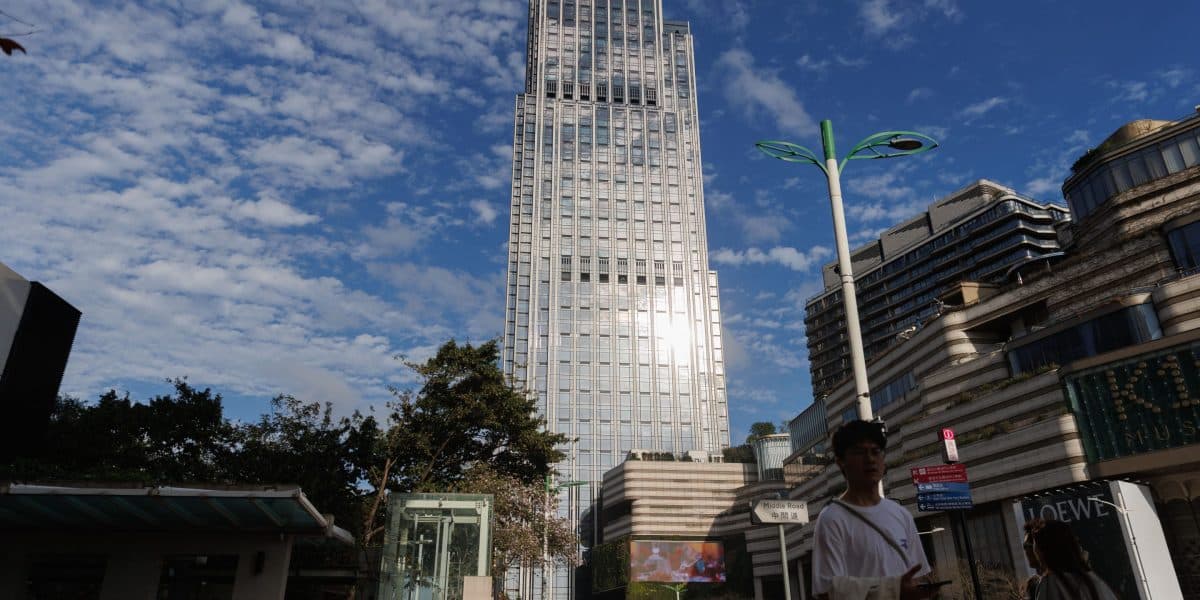
Rosewood Hotels, the Hong Kong-based luxury hotel operator, has announced a sweeping global parental leave initiative offering 16 weeks of paid time off to employees across all locations. According to Fortune, the policy represents one of the hospitality industry's most generous offerings and reflects a broader strategic shift toward supporting working parents in an era of tightening labor markets.
The initiative arrives as Asia confronts significant demographic headwinds, including declining birth rates that threaten long-term workforce stability. By positioning parental leave as a competitive advantage, Rosewood is signaling to potential recruits—particularly younger professionals—that the company values caregiving responsibilities. For Dallas-area hospitality and service businesses facing similar talent shortages, the move underscores how benefits policies are becoming a primary tool for recruitment and retention in competitive markets.
Company leadership frames the policy as more than a human resources measure, describing it as essential to "drive business resilience in the long-term." According to the source reporting, Rosewood hopes the initiative will reshape cultural attitudes toward parental responsibilities and caregiving, positioning the organization as an employer willing to invest in work-life balance. This signals a recognition that demographic and workforce trends demand proactive strategic responses.
The announcement reflects a growing trend among multinational employers reassessing benefits packages in response to workforce challenges. For Dallas companies operating in hospitality, retail, and service sectors, Rosewood's policy offers a case study in how progressive benefits can differentiate brands and address labor market realities that extend well beyond Asia.