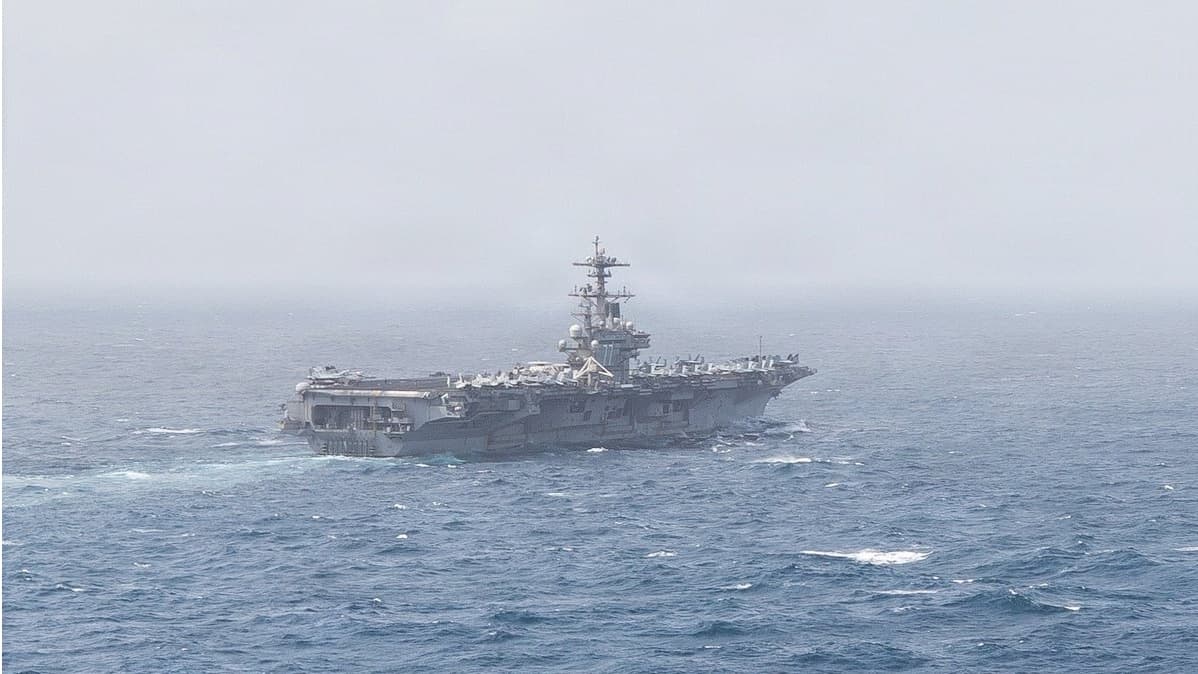
Photo via FreightWaves
According to FreightWaves, the conclusion of regional conflict is creating new uncertainties for maritime shipping rates and global trade flows. Iran's position as a major player in controlling critical waterways surrounding the Persian Gulf—home to vast crude oil reserves—stands to reshape how energy commodities move through international waters and the premiums shippers must pay for access.
The strategic realignment in the region introduces questions about shipping security, tolls, and route efficiency. With Iran likely to exercise greater control over gateway passages and its own oil stockpiles, maritime operators and energy traders face potential volatility in freight costs and supply chain logistics that ripple across global markets dependent on uninterrupted Gulf access.
For investors and logistics firms, the evolving geopolitical landscape underscores the interconnected nature of regional stability and maritime commerce. Shipping lines and energy companies may need to reassess route planning, insurance costs, and hedging strategies as power dynamics shift in one of the world's most critical shipping corridors.