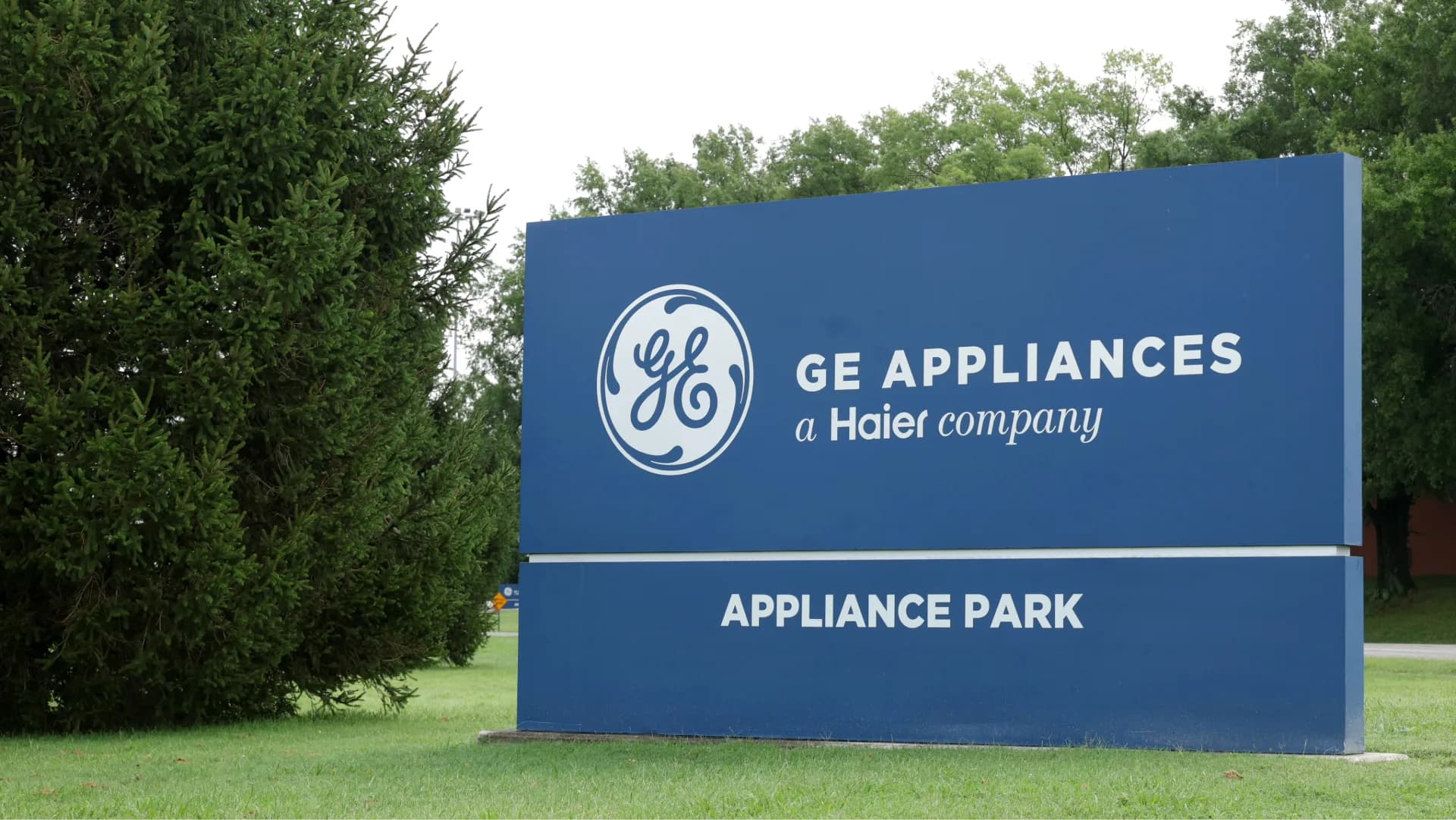
Photo via Inc.
In a counterintuitive move against prevailing manufacturing trends, GE Appliances—owned by China-based Haier—is investing $490 million to establish a state-of-the-art smart factory in Louisville, Kentucky. According to Inc., the facility represents a significant bet that domestic production can compete with overseas alternatives, driven by technological advancement and tariff considerations.
The Louisville facility is expected to create 800 new jobs, demonstrating how capital-intensive, technology-driven manufacturing can anchor regional economies. For Texas business leaders watching supply chain dynamics, this project illustrates how automation and smart manufacturing capabilities are reshaping location decisions that once heavily favored offshore production.
The tariff environment plays a crucial role in GE Appliances' decision. By producing domestically, the company avoids import duties while gaining supply chain resilience—a calculation that increasingly influences Fortune 500 companies across industries from appliances to advanced manufacturing. Dallas-area manufacturers and logistics providers should note this emerging trend as clients reassess nearshoring and reshoring strategies.
While most companies continue pursuing overseas labor cost advantages, GE Appliances' Kentucky investment suggests a narrowing competitive gap between U.S. and international manufacturing. The smart factory model—leveraging automation, AI, and digital systems—could signal a new era where regional manufacturing clusters create value regardless of traditional labor arbitrage, potentially reshaping industrial development discussions across the South and Texas.