Photo via CNBC Business
The restaurant industry is experiencing a significant headwind as elevated fuel costs continue to ripple through consumer spending and operational expenses. According to Black Box Intelligence, overall restaurant traffic dropped 2.3% in March when compared to the same period last year—a notable contraction that signals consumers are pulling back on dining out, particularly in price-sensitive segments.
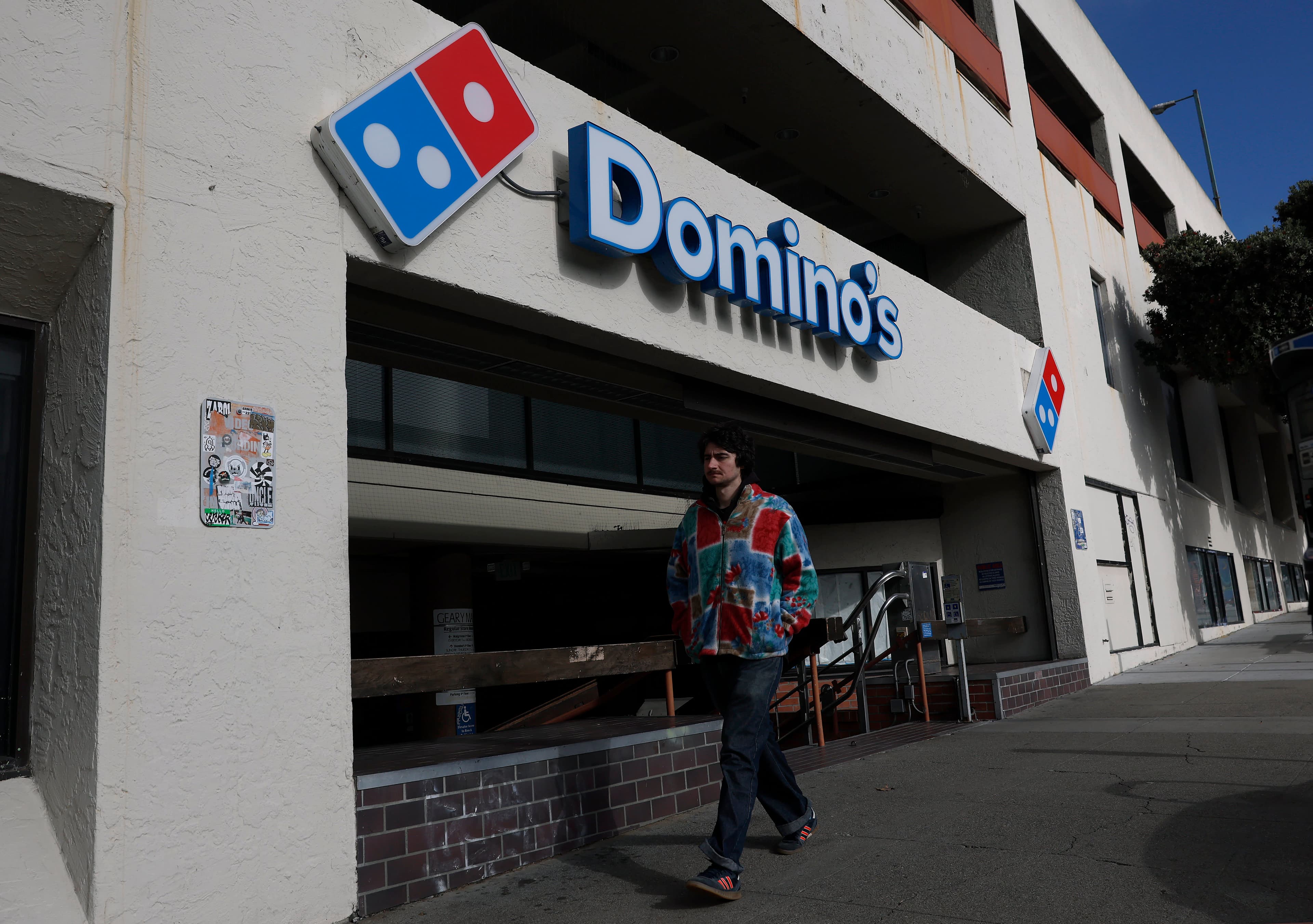
For Dallas-area restaurant operators, the impact varies considerably depending on business model and customer base. Establishments relying on delivery-dependent revenue streams face particularly acute pressure from rising transportation costs, while casual dining chains with established customer loyalty have shown more resilience. The disparity underscores how operational efficiency and brand positioning are becoming critical differentiators in a challenging economic environment.
Energy costs ultimately trickle down through multiple channels: direct fuel expenses for delivery fleets, transportation of inventory, and reduced consumer discretionary spending as households allocate more resources to gasoline. Dallas restaurateurs are actively reassessing pricing strategies, menu composition, and delivery partnerships to maintain margins without pricing out their customer base entirely.
Industry observers suggest that restaurants with diversified revenue models—combining dine-in, takeout, and limited delivery—are navigating current headwinds more effectively than single-channel operators. For Dallas business leaders in the food service sector, the message is clear: operational agility and customer value proposition will determine which establishments thrive during this period of economic uncertainty.