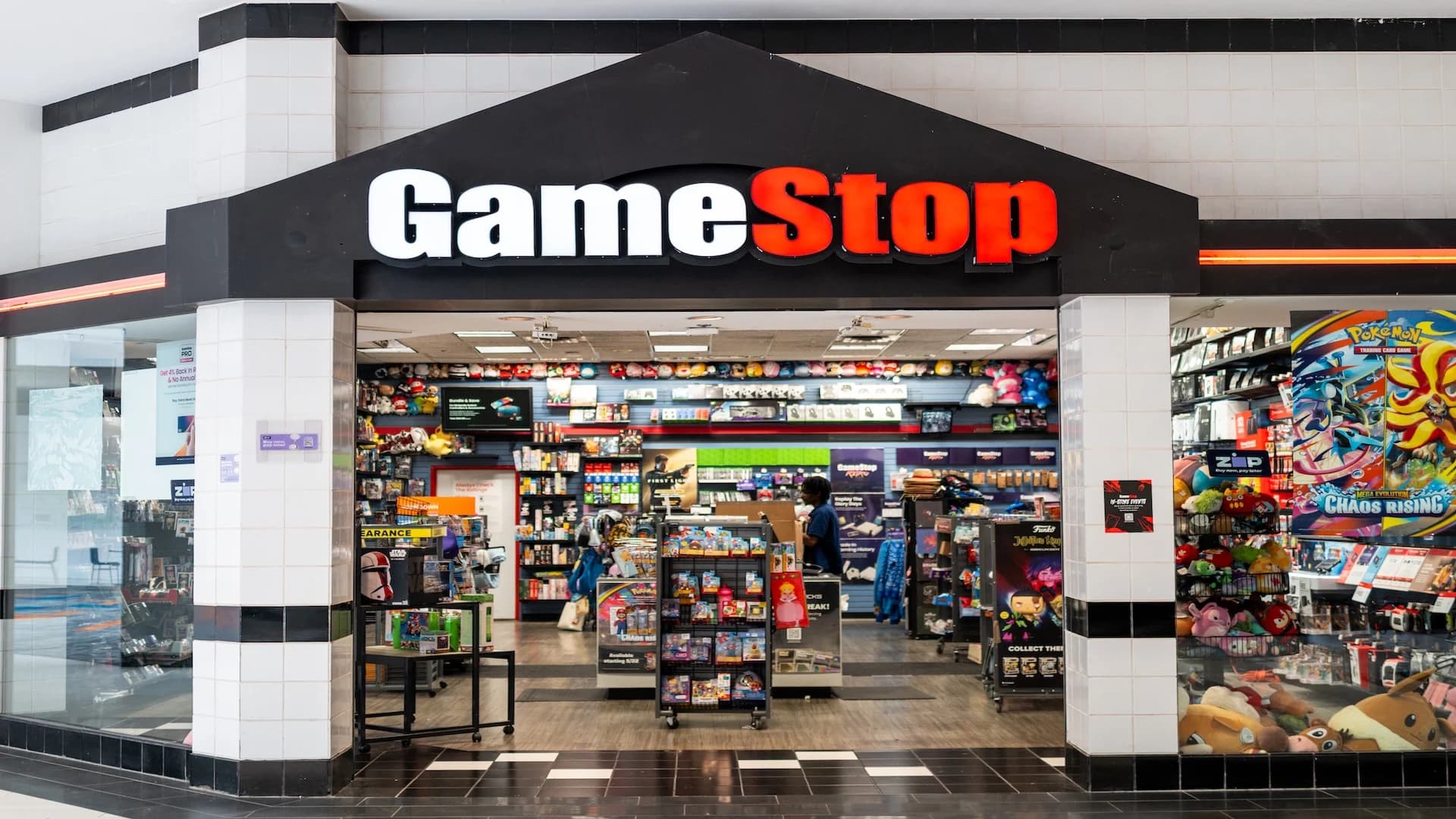
Photo via Inc.
GameStop's latest financial results demonstrate that retail survival often hinges on strategic pivots rather than relying on traditional paths. According to Inc., the entertainment retailer achieved a net income of $389.6 million during its first quarter—a remarkable turnaround that came after failing to secure a proposed acquisition by eBay. The development underscores how market rejection can sometimes push companies toward internal improvements and renewed focus on core operations.
For Dallas-area retailers watching legacy businesses adapt to e-commerce pressures, GameStop's situation offers relevant insights. The company's profitability surge suggests that specialty retail can still thrive when it leverages its unique market position rather than attempting to merge with larger platforms. This lesson resonates across North Texas, where established merchants continue navigating the competitive landscape between online marketplaces and brick-and-mortar operations.
The timing of GameStop's profit announcement raises broader questions about valuation and acquisition strategy in retail. When eBay declined the opportunity to add GameStop to its portfolio, investors and analysts questioned whether the decision reflected market skepticism. Instead, the strong quarterly performance suggests the company may have been better positioned as an independent operator, challenging conventional wisdom about consolidation as the primary survival strategy for legacy retailers.
As Dallas business leaders evaluate their own competitive strategies, GameStop's experience illustrates the importance of operational excellence and customer focus over seeking corporate buyers. The company's financial strength provides a case study in how retailers can compete effectively by understanding their audience and maintaining relevant services, rather than assuming that scale through acquisition represents the only viable path forward in today's retail environment.