Photo via FreightWaves
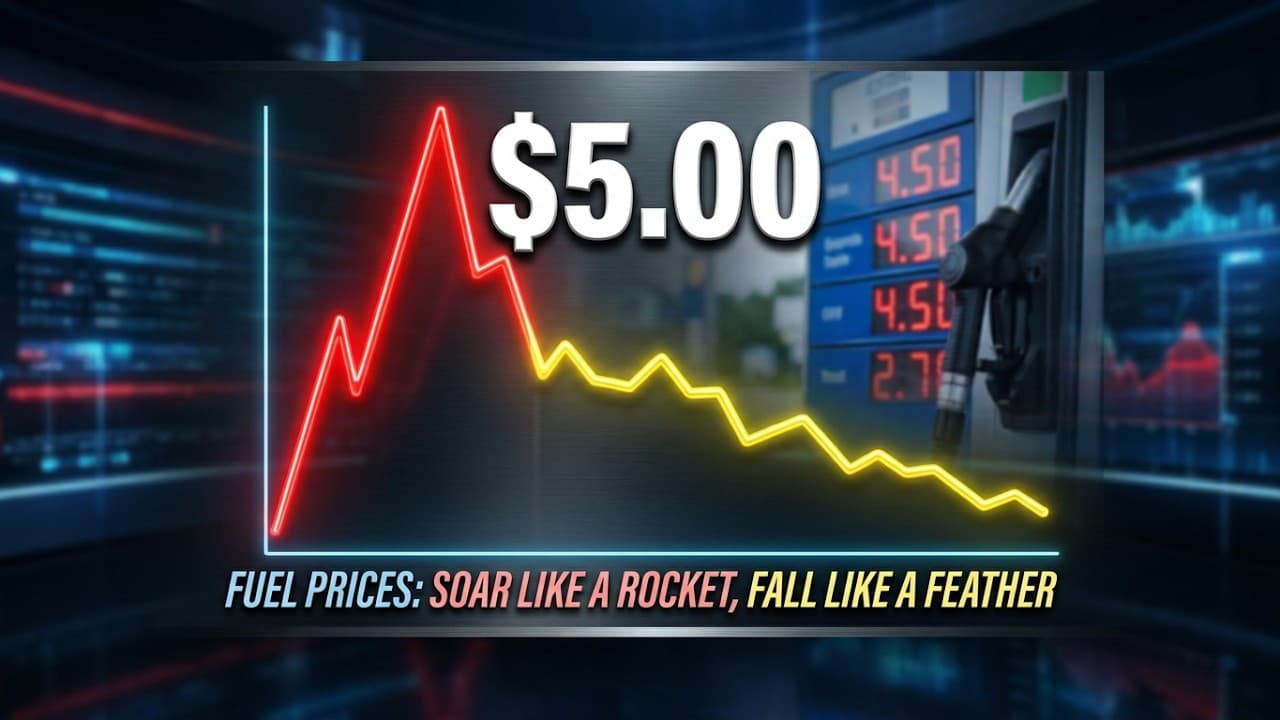
Fuel markets have long puzzled business leaders with their apparent asymmetry: prices spike sharply in response to supply disruptions or demand shocks, yet decline far more gradually when conditions normalize. According to Breakthrough's Chief Economist Matthew Muenster, this disparity reflects fundamental operational realities in global energy markets and supply chain management. The rapid ascent typically stems from immediate supply constraints, geopolitical tensions, or unexpected demand surges that force rapid cost adjustments across transportation and logistics sectors.
Inventory management and competitive pricing dynamics create structural resistance to price declines. When fuel costs rise, carriers and shippers immediately pass increases along the supply chain, but when prices fall, companies maintain elevated pricing to rebuild margins after absorbing previous losses. This lag between commodity price relief and retail fuel cost reduction affects trucking operations, air freight, and maritime shipping differently, depending on contract structures and hedging strategies that lock in rates across varying timeframes.
Understanding these market mechanics has become critical for businesses managing transportation and operational costs. Global events—from geopolitical tensions to production decisions by major oil-producing nations—continue to drive volatile fuel pricing that requires proactive management and strategic procurement planning across the supply chain ecosystem.