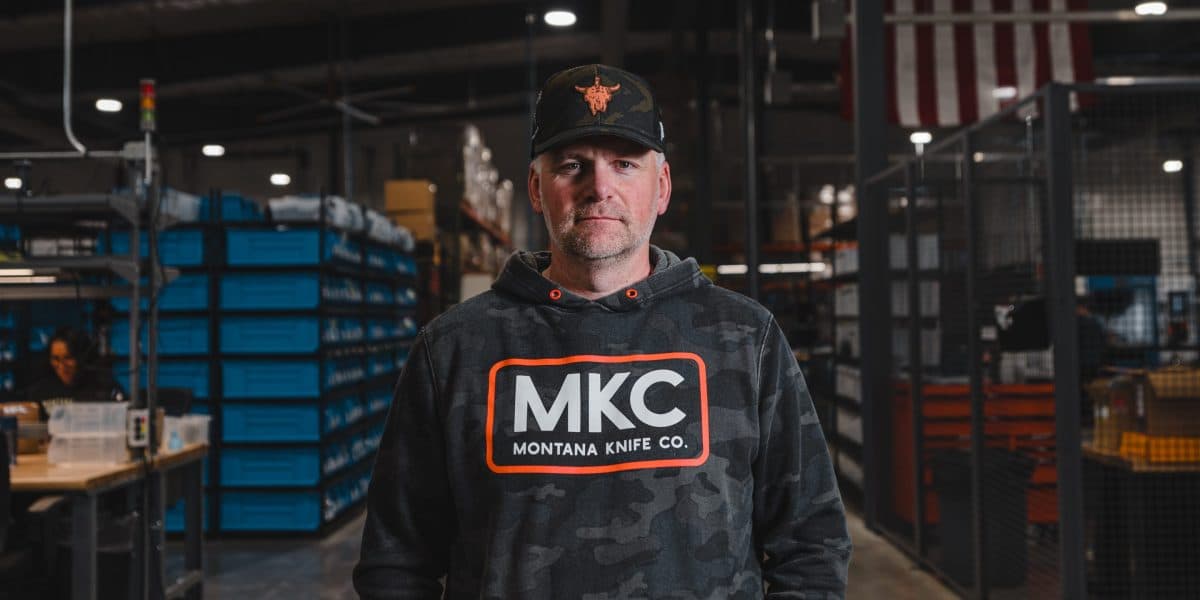
Photo via Fortune
Josh Smith's path to building a $50 million company wasn't mapped out in a business school classroom. According to Fortune, the 39-year-old entrepreneur registered Montana Knife Company at just 19 years old, then spent two decades working as a lineman while perfecting his craft during off-hours. His story resonates with Dallas-area business owners who've balanced day jobs with side ventures, demonstrating that successful companies often emerge from sustained passion rather than overnight inspiration.
When the pandemic hit, Smith made a pivotal decision that many aspiring entrepreneurs wrestle with: he walked away from his lineman position to pursue his venture full-time. This calculated risk—leaving stable employment to bet on a bootstrapped operation—reflects the kind of entrepreneurial courage that drives North Texas's startup ecosystem. Smith's timing and commitment transformed what began as a personal project into a legitimate manufacturing operation.
The backyard-to-enterprise trajectory offers valuable lessons for Dallas startups navigating scaling challenges. Smith's two-decade apprenticeship in his craft created competitive advantages that capital alone couldn't replicate. For regional founders in manufacturing, specialty goods, or artisanal production, his model suggests that deep expertise combined with operational control can outweigh the pressure to raise institutional funding quickly.
Smith's success underscores a broader entrepreneurial trend: the power of domain expertise and long-term vision. As Dallas continues diversifying beyond energy and finance into advanced manufacturing and specialty retail, stories like his demonstrate that the region's next generation of eight-figure companies may come from unlikely founders willing to leave traditional careers behind.