Photo via Si
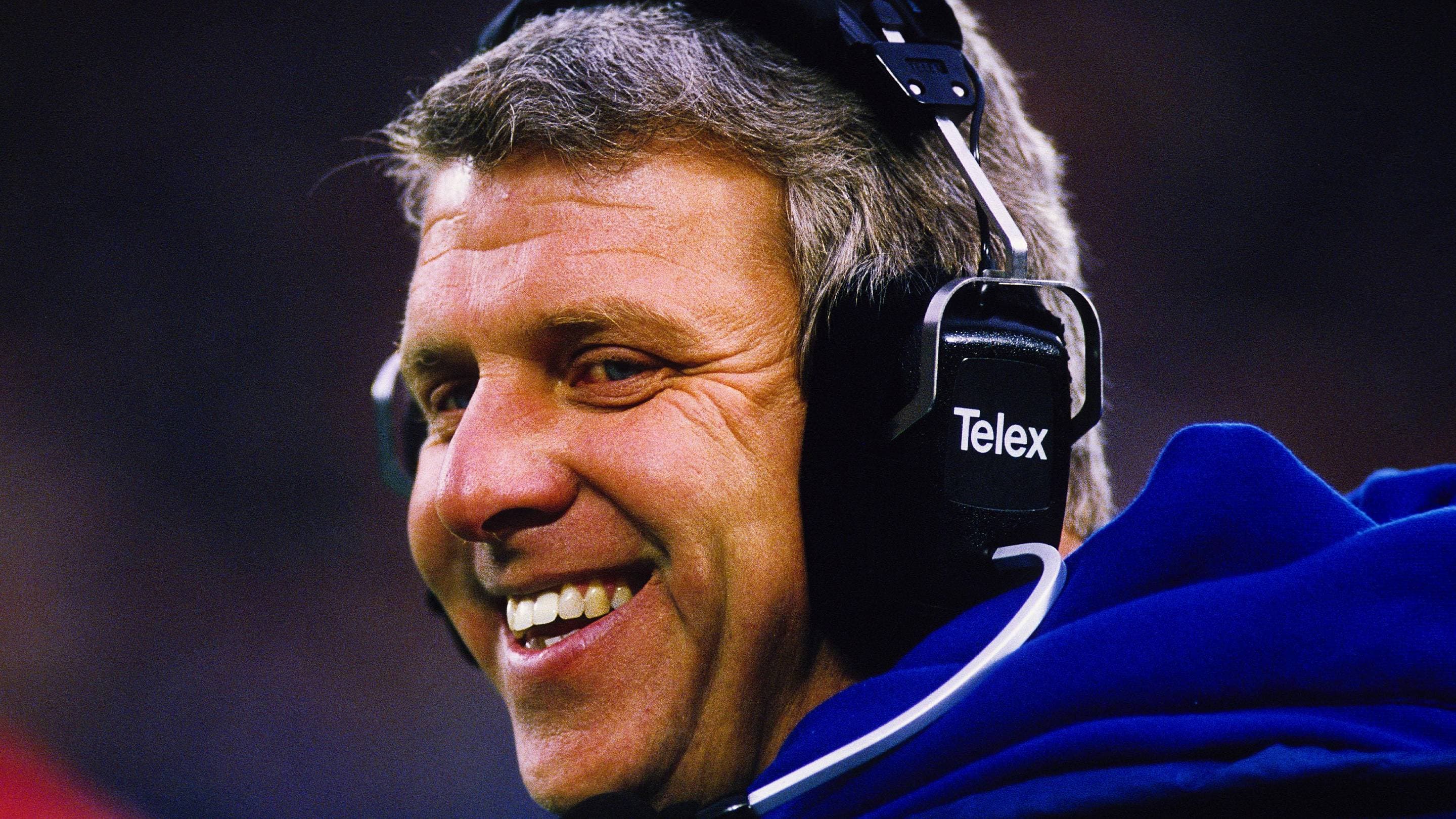
When Bill Parcells took the helm of the New York Giants in 1983, the storied franchise was in freefall—a 3-12-1 record that signaled organizational rot from the front office down to the locker room. Rather than accept mediocrity, Parcells embarked on a systematic overhaul that became a blueprint for modern sports management. His approach prioritized structural integrity, personnel decisions aligned with long-term vision, and an unwavering commitment to excellence. For Dallas-area business leaders navigating organizational challenges, Parcells' methodical rebuild demonstrates how initial investment in the right talent and systems compounds over time.
Central to Parcells' success was assembling a legendary coaching staff and supporting infrastructure—surrounding himself with specialists who shared his philosophy while complementing his own skill set. This collaborative leadership model mirrors best practices in corporate turnarounds, where the best executives recognize that sustainable transformation requires diverse expertise and aligned incentives. The Giants' rise from laughingstock to champion illustrates how delegation, trust, and accountability create conditions for breakthrough performance. Dallas companies in transition would do well to examine whether their leadership teams reflect this same commitment to complementary talent and shared mission.
The ultimate measure of Parcells' tenure wasn't just immediate improvement—it was sustained excellence. Two Lombardi Trophies validated his strategy and proved that organizational transformation, though difficult and time-consuming, pays dividends when executed with precision. For Dallas business leaders, the takeaway is clear: quick fixes rarely solve deep institutional problems. Lasting competitive advantage comes from leaders willing to invest in fundamentals, build strong teams, and maintain discipline through inevitable setbacks on the path to market leadership.