Photo via Entrepreneur
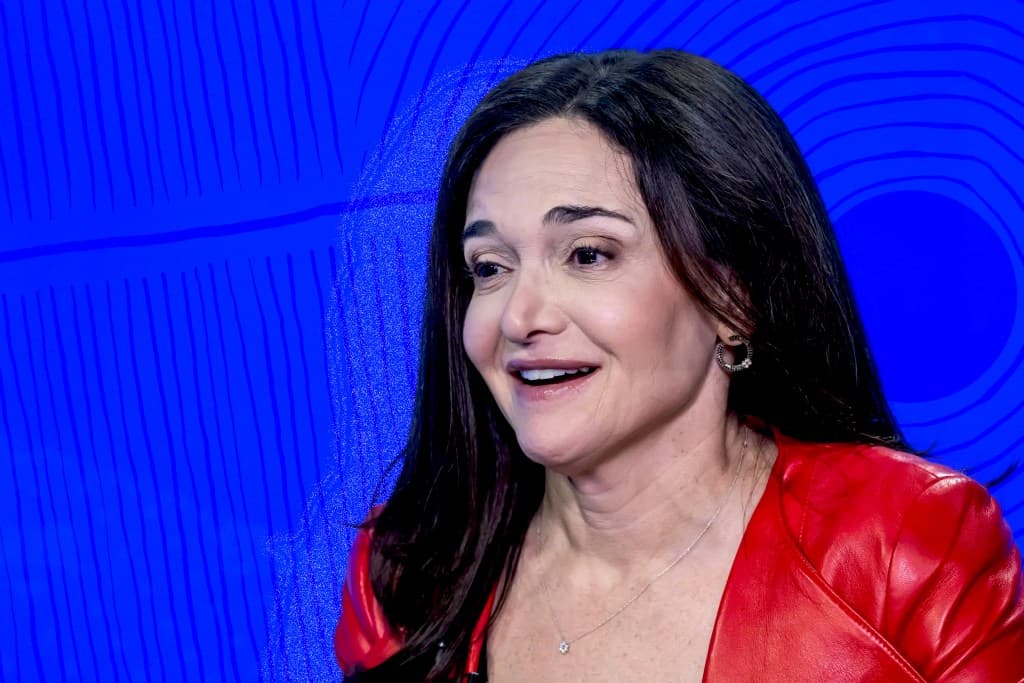
The traditional decade-long career roadmap—once considered essential for professional success—no longer reflects the reality of today's workplace. According to Sheryl Sandberg, the former Chief Operating Officer of Meta, the pace of technological change and market disruption has made rigid, multi-year plans largely irrelevant. Speaking at a recent commencement ceremony to Gen Z graduates, Sandberg emphasized that rigid career trajectories are increasingly counterproductive in an economy where industries transform faster than five-year business cycles.
Instead of plotting a predetermined path, Sandberg advocates for two core elements that matter more in 2024: flexibility and continuous learning. For Dallas professionals across industries—from energy and technology to finance and healthcare—this philosophy recognizes that the skills required for tomorrow's roles may not yet exist today. Building adaptability into your career strategy allows you to pivot when market conditions shift, whether that's the energy sector's transition toward renewable resources or tech companies' ongoing restructuring.
The shift reflects broader workforce trends Dallas businesses are grappling with. Companies increasingly value employees who demonstrate agility, resilience, and a commitment to upskilling over those who follow predetermined career ladders. HR leaders in the metroplex report that talent retention now depends less on promotions along a fixed timeline and more on opportunities for meaningful work, mentorship, and skill development across different roles and departments.
For Dallas-area professionals seeking advancement, this reframing offers liberation from outdated expectations while demanding greater ownership of their development. Rather than waiting for the next rung on a corporate ladder, workers benefit from actively seeking stretch projects, cross-functional experiences, and learning opportunities that build versatility. Sandberg's guidance suggests that career success belongs to those who remain curious and adaptable—qualities that matter regardless of industry, company size, or economic cycles.