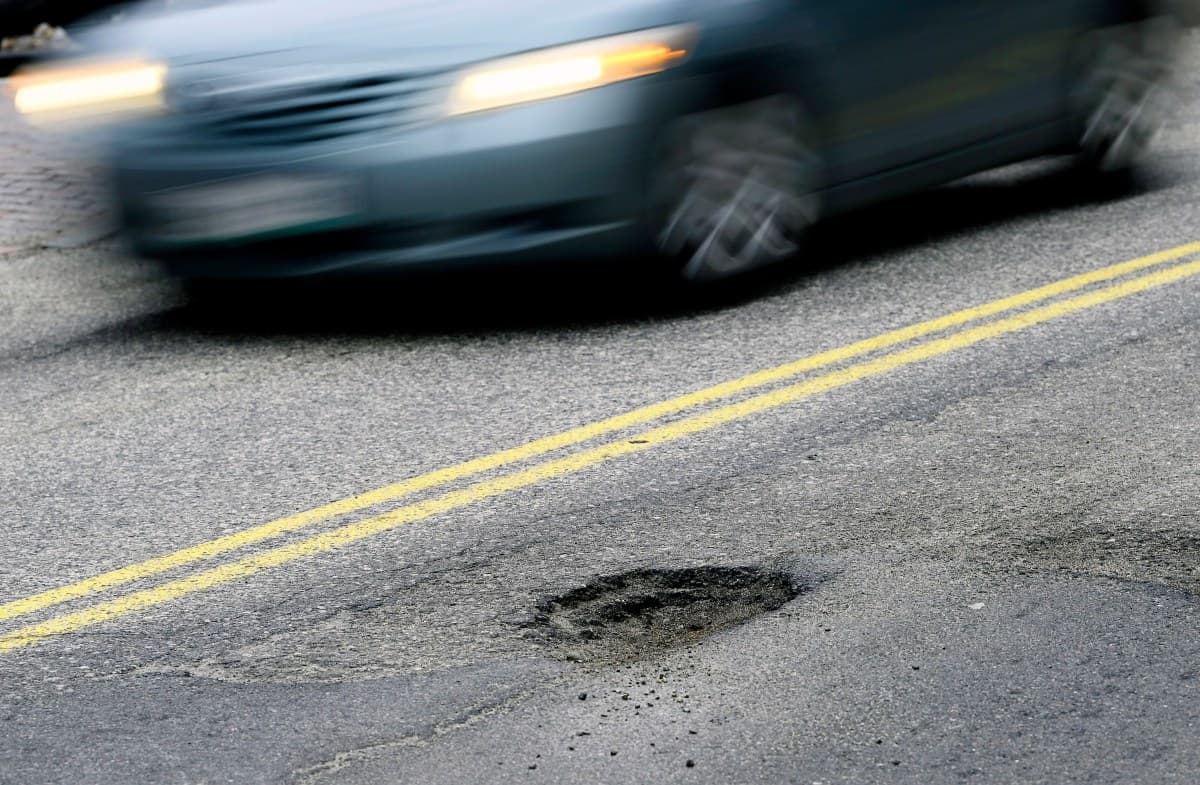
Photo via TechCrunch
Fleet management software provider Samsara has unveiled an artificial intelligence system capable of identifying potholes and other road surface defects from connected vehicle data. The technology analyzes patterns in real-time to classify different types of pavement damage and predict deterioration rates, according to reporting from TechCrunch. For Dallas-area logistics and delivery companies that operate extensive vehicle fleets, this capability could represent a significant operational advantage.
The implications for Dallas infrastructure are notable. The city and surrounding municipalities spend considerable resources maintaining roads, but traditional pothole detection often relies on citizen reports or scheduled inspections. By leveraging data from commercial fleets already traveling city streets daily, this AI approach could enable faster identification and prioritization of repairs, potentially extending road life and reducing accident-related insurance claims.
Samsara's approach aligns with the broader trend of connected vehicle technology becoming a source of valuable infrastructure intelligence. Fleet operators in the Dallas area—particularly those managing delivery, logistics, and service technician routes—can now contribute to municipal road assessment while simultaneously optimizing their own operations. The data could prove valuable for both private sector efficiency and public sector planning.
For Dallas business leaders in transportation, logistics, and fleet management, this technology represents another step toward data-driven decision-making. Companies leveraging such AI capabilities may gain competitive advantages in route efficiency, vehicle maintenance, and customer service reliability. As municipalities explore partnerships with technology providers, Dallas could position itself as a leader in smart infrastructure integration.