Photo via NYT Business
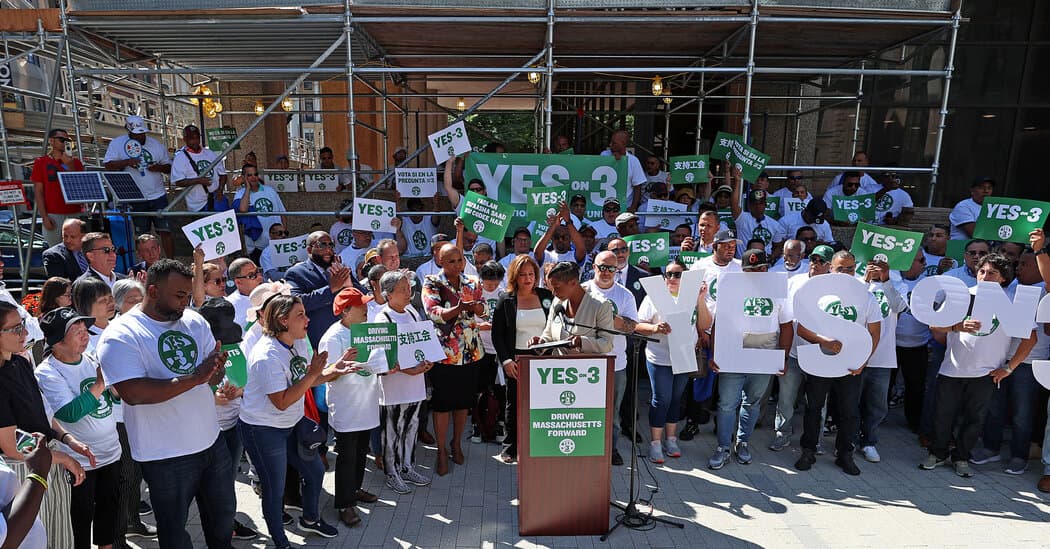
The App Drivers Union has achieved formal certification in Massachusetts, marking the first time a worker organization has won official recognition to represent ride-share drivers in the United States, according to reporting from The New York Times. The milestone comes after years of organizing efforts among Uber and Lyft drivers seeking better pay, benefits, and working conditions in an industry built on independent contractor status.
For Dallas business leaders and gig economy participants, the Massachusetts development signals potential regulatory shifts ahead. Texas has largely resisted ride-share driver unionization efforts, but formal union victories in other states often foreshadow legislative and operational changes that ripple across the country. Dallas companies relying on gig workers—from delivery services to transportation platforms—should monitor how Massachusetts's model develops and whether similar organizing efforts gain traction in Texas.
The certification establishes precedent for how driver unions might operate under existing labor law, even as the gig economy remains exempt from many traditional employment protections. Ride-share companies may face pressure to negotiate benefits, scheduling transparency, or pay guarantees in other markets, potentially affecting operational costs and service models.
Dallas stakeholders in logistics, transportation, and app-based services should consider how formal driver representation could reshape labor dynamics. While no major unionization has succeeded locally yet, the Massachusetts precedent demonstrates that sustained organizing can overcome industry resistance, potentially prompting Dallas-based or Dallas-operating platforms to proactively address driver concerns before similar certification efforts emerge in Texas.