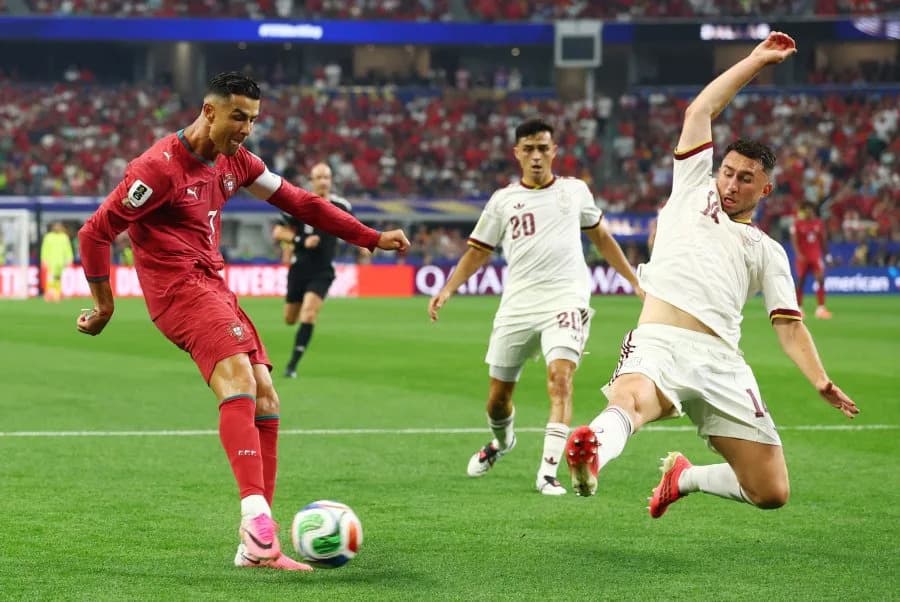
Photo via Yahoo! News
The international soccer governing body is presiding over an unprecedented expansion of its marquee event, according to Yahoo! News. The latest World Cup format features 48 participating nations competing across 104 matches—a significant increase from the traditional 32-team, 64-match structure. This expansion reflects FIFA's ambitions to grow the sport's global reach and commercial appeal, but it also introduces operational complexity that demands careful management.
The financial stakes have never been higher for FIFA, as broadcasting rights, sponsorships, and merchandise sales generate record revenues tied to the tournament. However, this influx of capital has intensified scrutiny from stakeholders questioning whether the organization can maintain competitive integrity and equitable governance as its business interests expand. For Dallas business professionals watching global sports economics, the tension between growth and stewardship offers lessons applicable across industries.
The challenge FIFA faces mirrors those confronting major sports leagues and governing bodies worldwide: balancing commercial expansion with institutional credibility. As the organization navigates this growth phase, its decisions on tournament structure, venue selection, and regulatory enforcement will signal whether it can preserve the sport's fundamental values while capitalizing on unprecedented financial opportunity.