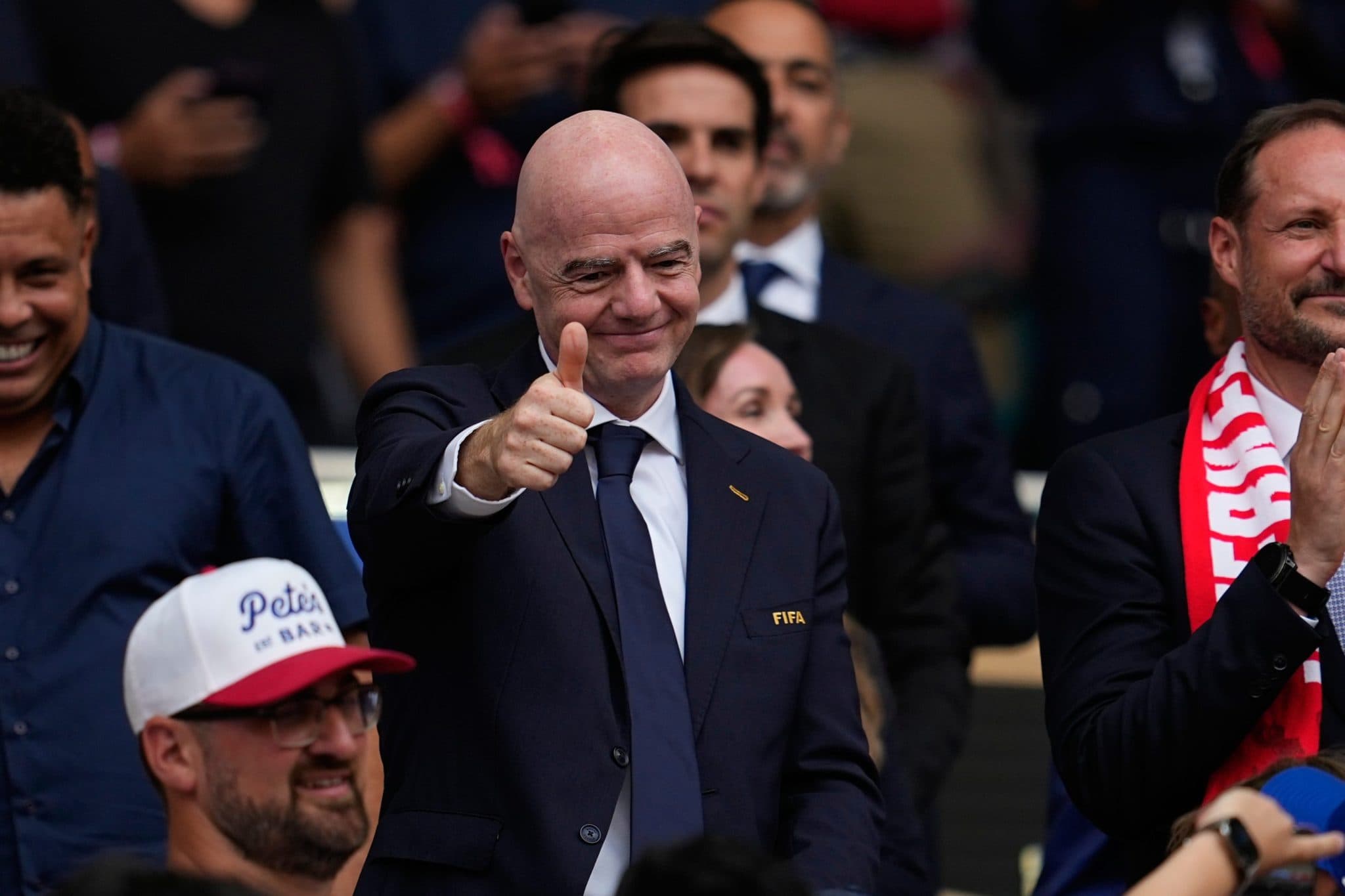
Photo via Fortune
FIFA President Gianni Infantino logged more than 100 hours aboard private aircraft during the 2026 World Cup, visiting 21 airports across the tournament venues, according to Fortune. The travel was conducted using a private jet gifted by tournament sponsor Qatar Airways—a corporate arrangement that highlights how major sporting events often involve significant carbon-intensive logistics despite stated environmental goals.
The executive's travel footprint stands in contrast to FIFA's public commitment to reducing carbon emissions, a pledge that has become increasingly important as corporate leaders face scrutiny over environmental responsibility. For Dallas-area business leaders and companies seeking to understand corporate accountability, the disparity between Infantino's stated sustainability objectives and actual practices offers a cautionary lesson about the gap between environmental rhetoric and operational reality in major global organizations.
This situation reflects broader questions about how sponsorship arrangements and executive mobility are managed within large international organizations. As companies across industries—from energy to real estate to technology—develop their own sustainability strategies, the FIFA example underscores the importance of transparent measurement and enforcement of carbon reduction commitments at the leadership level.