Photo via Fast Company
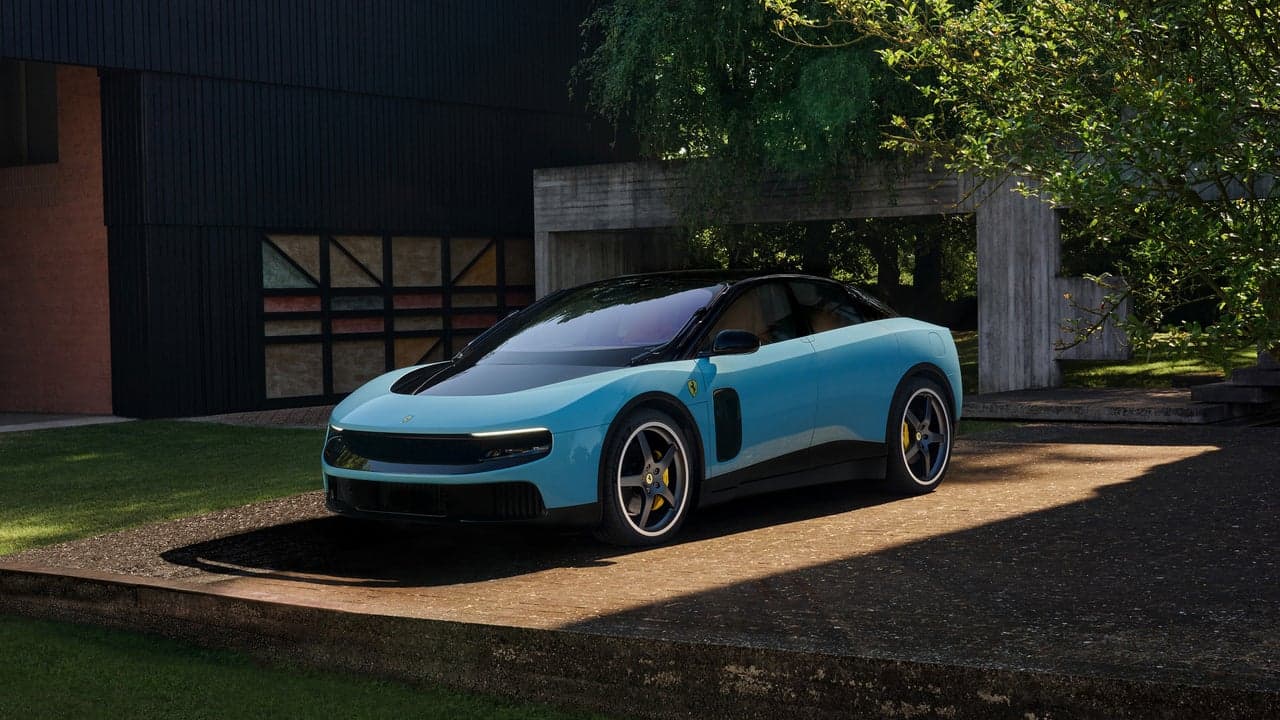
Ferrari has unveiled the Luce, its first all-electric vehicle, marking a significant inflection point for the storied Italian automaker. Designed by Jony Ive and Marc Newson through their LoveFrom collective, the $640,000 EV represents a deliberate departure from Ferrari's iconic sports car aesthetic. The move signals a broader industry challenge: how luxury brands maintain heritage while embracing electrification's technological and design possibilities. For Dallas business leaders tracking automotive innovation, the Luce offers insights into how established companies balance brand loyalty with disruption.
The initial public response has been decidedly mixed, with Ferrari's stock declining after the unveiling. Online critics argued the Luce lacks traditional Ferrari DNA, comparing its rounded, minimalist form to an iPad rather than a high-performance sports car. However, this polarization appears intentional. According to Ive's statement, the electric drivetrain enabled a "radically new architecture" that prioritizes spaciousness over the angular aerodynamics of combustion-engine vehicles. The design philosophy reflects a fundamental rethinking: EV powertrains create opportunities that gasoline platforms cannot accommodate.
The vehicle features over 60 patents and incorporates both futuristic digital elements and tactile analog controls—knobs, switches, and buttons designed as individual products. This hybrid approach addresses a real consumer concern: the sterile touchscreen dominance in modern vehicles. The interior lighting system dynamically recedes when powered down, while Ferrari yellow glows from the docking key across the interface. Such meticulous detail work demonstrates how premium brands justify extraordinary price points through craftsmanship and innovation, a strategy Dallas luxury businesses might observe.
Ferrari's gamble ultimately targets a narrow but lucrative market: ultra-wealthy buyers seeking differentiation rather than mass appeal. With a price point exceeding the median U.S. home value, the company doesn't need widespread acceptance—it needs exclusivity and boldness. This luxury positioning strategy underscores an important business lesson: sometimes disrupting your own brand identity is the only way to secure the future. For Dallas entrepreneurs and established companies, the Luce demonstrates that calculated risk-taking in design and innovation can create competitive moats, even when initial reactions prove unfavorable.