Photo via Dallas Observer
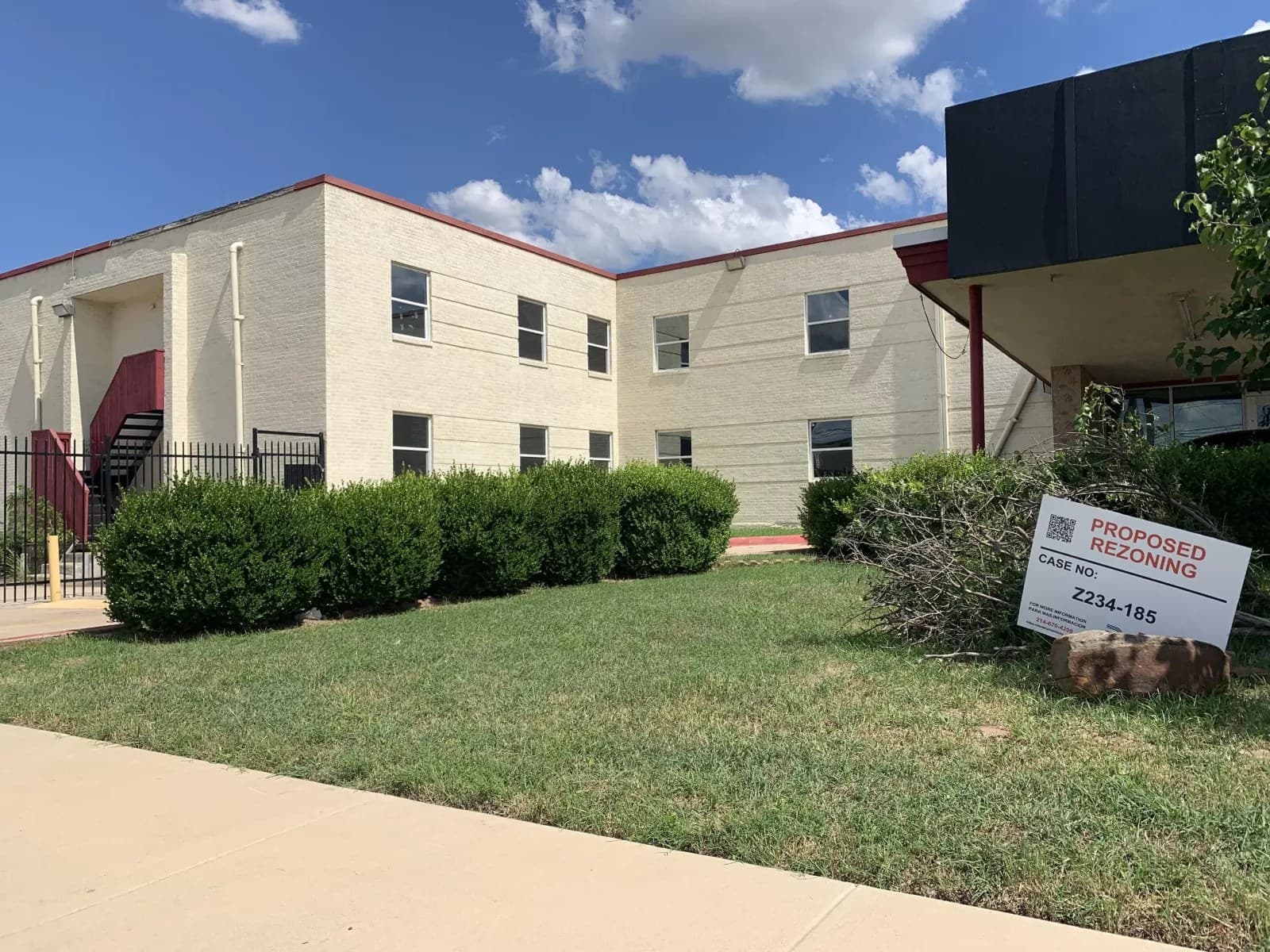
A significant affordable housing initiative aimed at serving Dallas's homeless veteran population has encountered fresh obstacles due to recent federal policy changes. According to the Dallas Observer, the project—which was preparing to convert the Miramar Hotel into transitional housing—now faces uncertainty as the federal government redirects funding priorities away from housing development projects.
The setback arrives at a critical moment for Dallas's affordable housing and social services sectors. Local nonprofits and real estate developers working on veteran services have already navigated permitting delays and community opposition. This latest funding redirection compounds existing challenges and raises questions about how Dallas-area organizations will finance similar initiatives moving forward, particularly those serving vulnerable populations.
The situation underscores broader tensions in real estate development and public funding for social services in the Dallas area. As federal support becomes less predictable, local leaders in business, nonprofit, and government sectors may need to explore alternative financing models—including private investment, municipal bonds, or public-private partnerships—to sustain housing initiatives for at-risk populations.