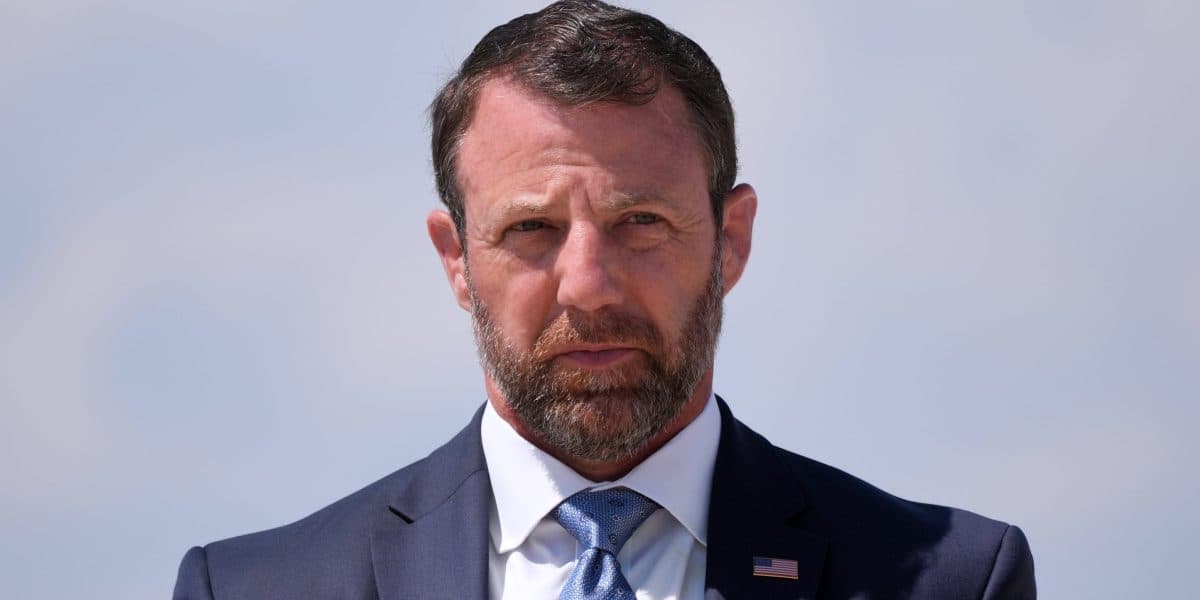
Photo via Fortune
The travel and transportation sectors are facing fresh headwinds as federal authorities escalate enforcement actions at airports in sanctuary cities across the country. According to Fortune, Transportation Secretary Sean Duffy has signaled a more aggressive approach to immigration enforcement at air hubs, marking a shift in how federal agencies coordinate on travel policy. This crackdown comes as the industry continues recovering from pandemic-related disruptions and ongoing economic pressures.
For Dallas-area business leaders, the implications are significant. Dallas-Fort Worth International Airport ranks among the nation's busiest hubs, serving as a critical connector for regional commerce, corporate travel, and tourism. Any disruptions to airport operations or increased friction in the travel experience could impact local businesses reliant on air connectivity, from Fortune 500 companies headquartered in North Texas to the hospitality and convention industries that depend on steady passenger flows.
The policy dispute between the Transportation Department and Homeland Security underscores broader tensions about how federal agencies implement enforcement priorities. Secretary Duffy's position that air travel shouldn't be weaponized over jurisdictional disagreements suggests ongoing negotiations over the scope and timing of any enforcement measures, though the ultimate impact on operations remains unclear.
Dallas business executives should monitor developments closely, particularly those in industries dependent on seamless travel logistics—including technology firms, consulting services, and logistics providers. The potential for operational disruptions, increased compliance costs, or passenger deterrence could affect everything from employee mobility to client meetings and convention hosting in the region.