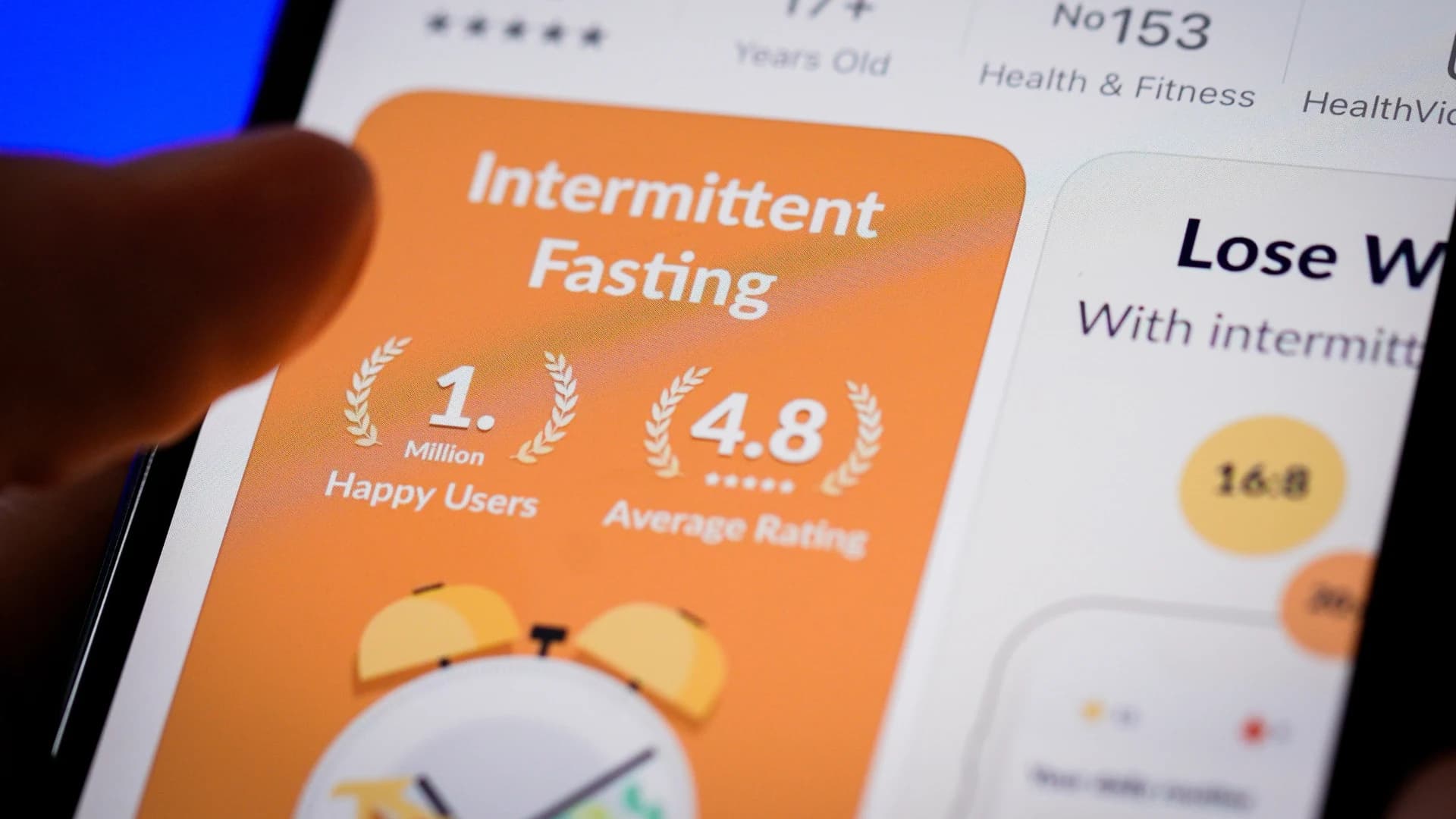
Photo via Inc.
Intermittent fasting has become a fixture in Dallas's wellness culture, with many executives and entrepreneurs adopting the practice to boost mental clarity and productivity. However, recent scientific analysis is casting doubt on some of the more enthusiastic claims circulating in professional circles about fasting's impact on brainpower.
According to analysis highlighted in Inc., researchers have examined the relationship between fasting periods and cognitive function, finding the evidence to be considerably more nuanced than popular wellness narratives suggest. Rather than a clear path to sharper thinking, the data reveals a complex picture that varies significantly based on individual factors and fasting protocols.
For Dallas-area business leaders evaluating productivity hacks and wellness strategies, this research underscores an important principle: trendy health practices warrant careful scrutiny before implementation. What works as a personal wellness choice may not deliver the professional advantages often marketed to busy executives managing demanding schedules.
As companies across North Texas continue exploring employee wellness programs and flexible work arrangements, understanding the actual science behind popular practices—rather than relying on anecdotal success stories—can help leadership make more informed decisions about workplace health initiatives and productivity expectations.