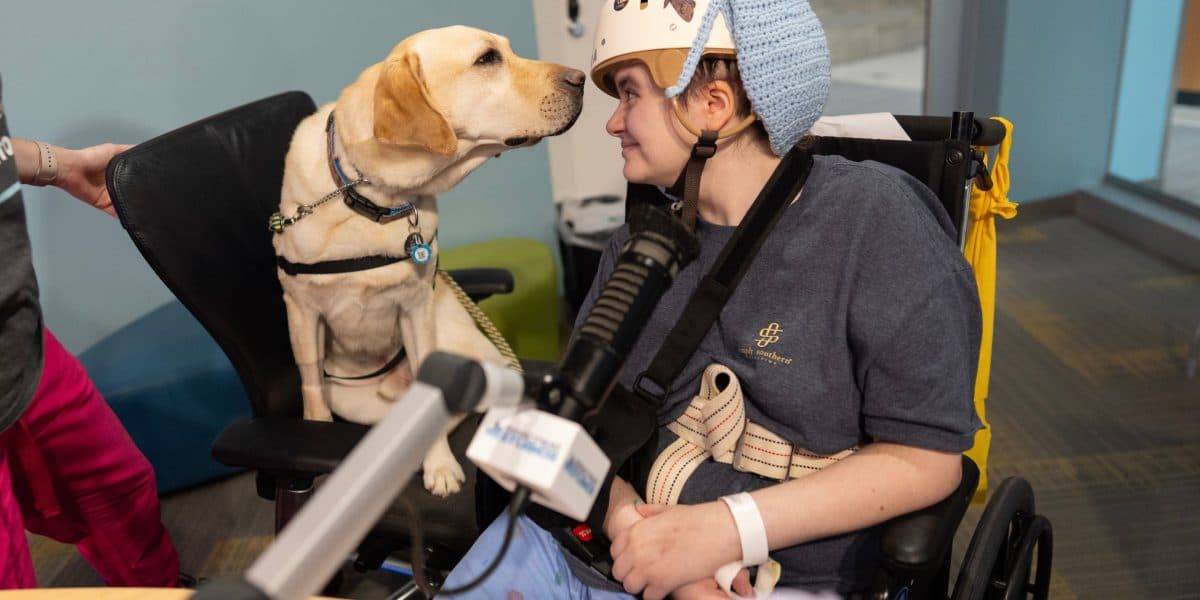
Photo via Fortune
Dallas-area hospitals are recognizing the therapeutic value of facility dogs in pediatric care units, where even brief interactions with trained canines measurably improve patient outcomes. According to Fortune's reporting on this growing healthcare trend, the science behind animal-assisted therapy is becoming increasingly clear: facility dogs reduce anxiety, lower stress markers, and create positive emotional experiences during difficult medical treatments.
The business case for hospital dog programs extends beyond patient satisfaction metrics. Healthcare administrators across North Texas are discovering that therapy dogs can reduce overall patient recovery times, decrease requests for pain medication, and improve family satisfaction scores—factors that directly impact hospital ratings and reimbursement rates. These programs also boost staff morale in high-stress pediatric units where emotional burnout is a persistent challenge.
Dallas children's hospitals and medical centers have begun integrating certified facility dog programs into their standard care protocols, recognizing this as both a clinical and competitive advantage. Training and certifying hospital dogs requires specialized programs and ongoing investment, creating new opportunities for veterinary professionals and animal behaviorists in the region to specialize in this growing field.
As healthcare costs and patient experience increasingly drive hospital operations in Dallas, facility dog programs represent an evidence-based intervention that costs relatively little compared to its documented benefits. Industry observers expect more North Texas health systems to expand these programs, particularly in pediatric oncology and long-term care units where emotional support proves most critical to patient outcomes.