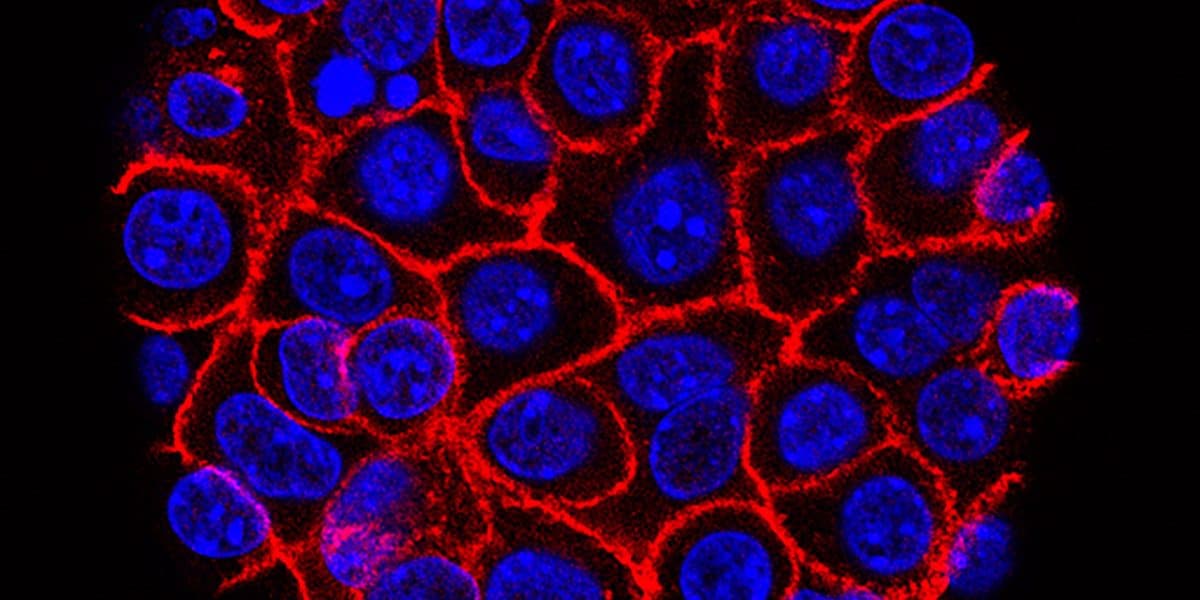
Photo via Fortune
According to Fortune, an experimental drug called daraxonrasib has demonstrated the ability to nearly double survival time for patients with advanced pancreatic cancer. The medication represents a significant advancement in oncology, as it specifically targets a mutated protein responsible for tumor growth in more than 90% of pancreatic cancer cases—a molecular target that has resisted effective treatment strategies for decades.
Pancreatic cancer remains one of the most challenging malignancies to treat, with historically poor prognosis and limited therapeutic options. For Dallas-area medical centers and cancer treatment facilities, this development could provide physicians with an additional tool to combat a disease that has claimed thousands of lives annually. The ability to target such a prevalent mutation offers clinicians new pathways for personalized medicine approaches.
The emotional impact of this breakthrough extends beyond clinical metrics. Patient testimonials, such as those cited by Fortune, underscore the profound significance of extending survival timelines and improving quality of life for cancer patients and their families. This kind of progress drives ongoing investment in oncological research and development across the region's medical institutions.
As daraxonrasib moves through regulatory approval processes, Dallas-based healthcare systems, research institutions, and pharmaceutical companies should monitor its development closely. The drug's potential could influence treatment protocols, clinical trial availability, and patient care strategies across North Texas hospitals and specialty cancer centers in coming months.