Photo via Won/f4w
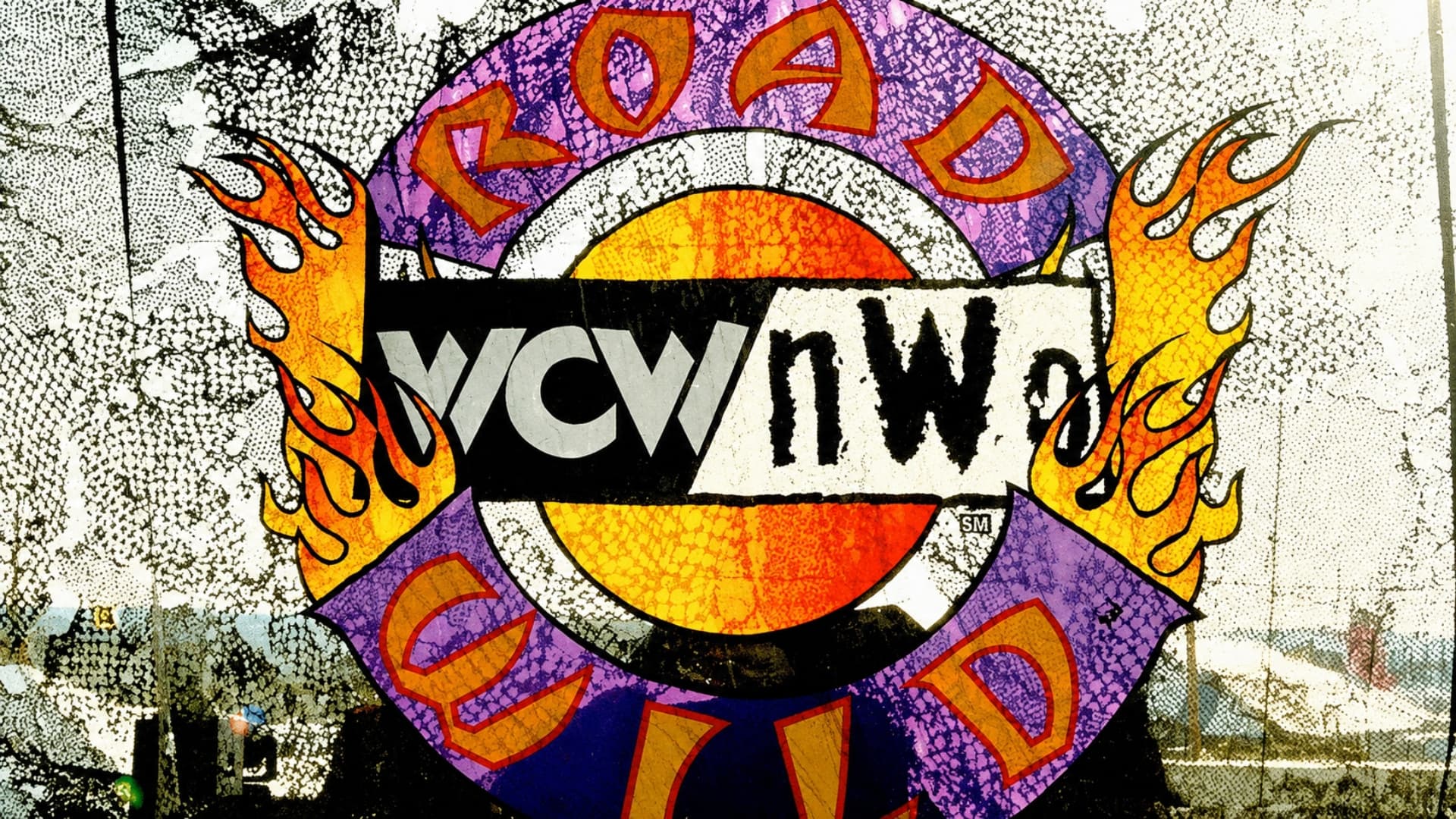
According to Wrestling Observer Newsletter's flashback coverage, World Championship Wrestling's Road Wild 1998 represented an unconventional approach to event marketing. Held in Sturgis, South Dakota during the annual motorcycle rally, the event positioned ringside spectators on motorcycles rather than in traditional seating. This strategy reflected an emerging trend in experiential marketing where brands embed themselves directly into existing cultural gatherings rather than competing for attention through standalone events.
The concept wasn't entirely novel for WCW—the organization had previously attempted similar integration with its 1996 'Hog Wild' event. However, the Sturgis execution demonstrated both the potential and limitations of niche audience targeting. By aligning programming with an established, passionate community event, WCW tapped into an audience already gathered for a shared interest. This approach offers lessons for Dallas-area event organizers and experiential marketers considering how to authentically connect with target demographics through cultural touchpoints rather than generic promotional venues.
The mixed critical reception—including negative match ratings—suggests that successful experiential marketing requires more than just novel venue concepts. Dallas businesses exploring similar strategies should consider that authentic integration requires delivering compelling core content alongside innovative presentation. The event illustrates that audience immersion and unconventional settings work best when paired with strong product quality, ensuring the experience extends beyond novelty to create lasting brand associations.