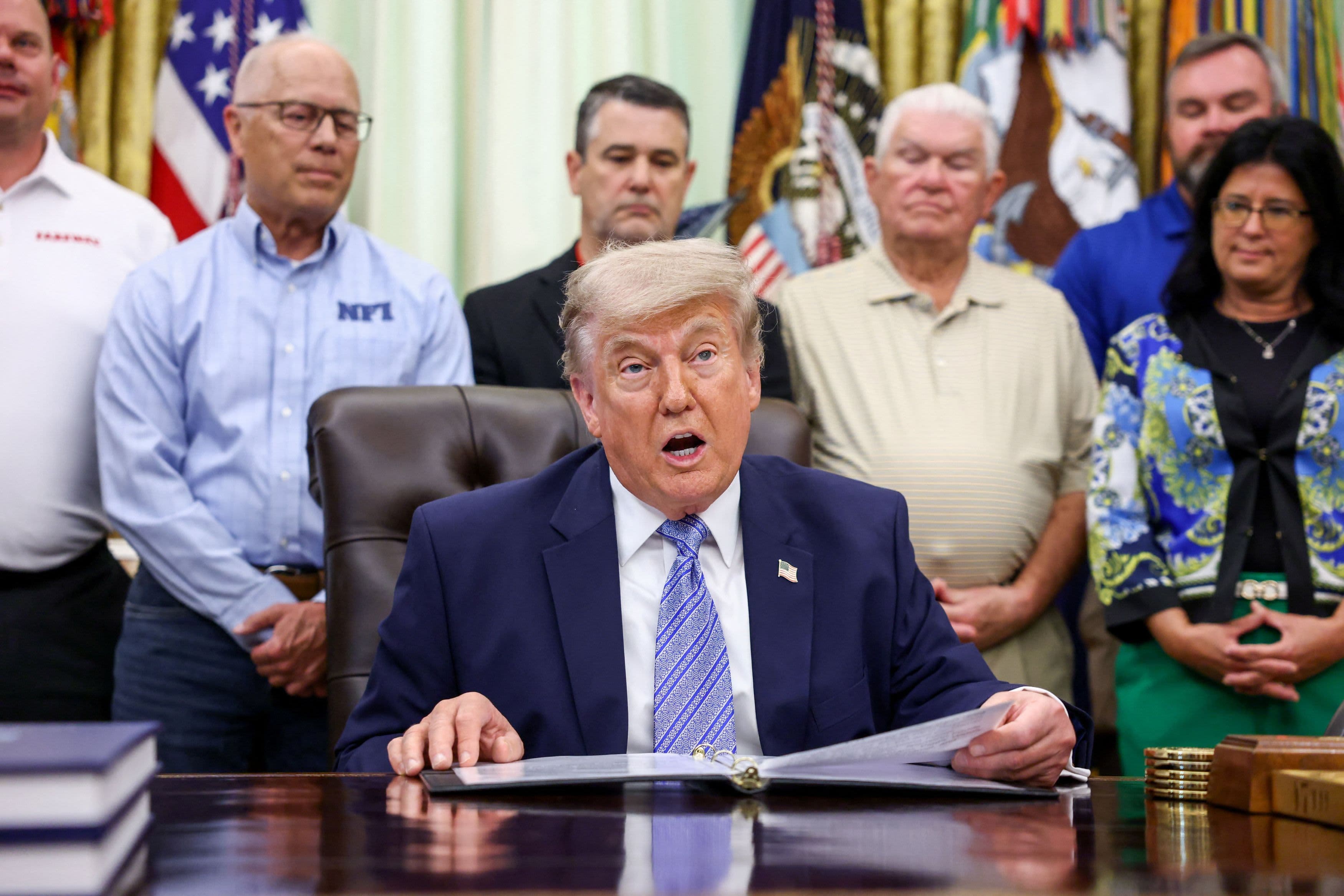
Photo via CNBC Business
The Trump administration has moved to delay environmental regulations governing refrigerants used in commercial cooling systems, arguing that the policy shift will ease costs for grocery retailers and ultimately benefit consumers at checkout. According to CNBC Business, the administration framed the decision as a measure to reduce operational expenses for supermarkets nationwide. However, industry analysts and policy experts are expressing skepticism about whether these savings will translate into lower prices on store shelves.
The delayed rules originally established under the Biden administration were designed to phase in more environmentally friendly refrigerants in commercial food storage and display units. Supermarket chains rely heavily on these cooling systems to maintain inventory, and compliance with stricter refrigerant standards would have required equipment upgrades and operational adjustments. Retailers have long cited regulatory compliance costs as a factor influencing their bottom lines, but whether reduced compliance pressure directly benefits consumers remains an open question.
For Dallas-area grocers and regional retailers operating across Texas and the Southwest, regulatory clarity matters significantly to capital budgeting and expansion planning. Large chains and independent operators alike have been factoring in environmental compliance costs into their financial projections. The delay may ease near-term spending pressures, but market competition—not regulation—typically determines final consumer pricing, meaning grocery chains may absorb savings rather than pass them along.
As the regulatory landscape continues to shift, Dallas business leaders in retail and logistics should monitor whether the refrigerant rule delay produces measurable effects on their supply chain costs and pricing strategies. Industry watchers caution that consumers should remain skeptical of claims linking regulatory changes directly to lower grocery bills without concrete evidence of price reductions in the market.