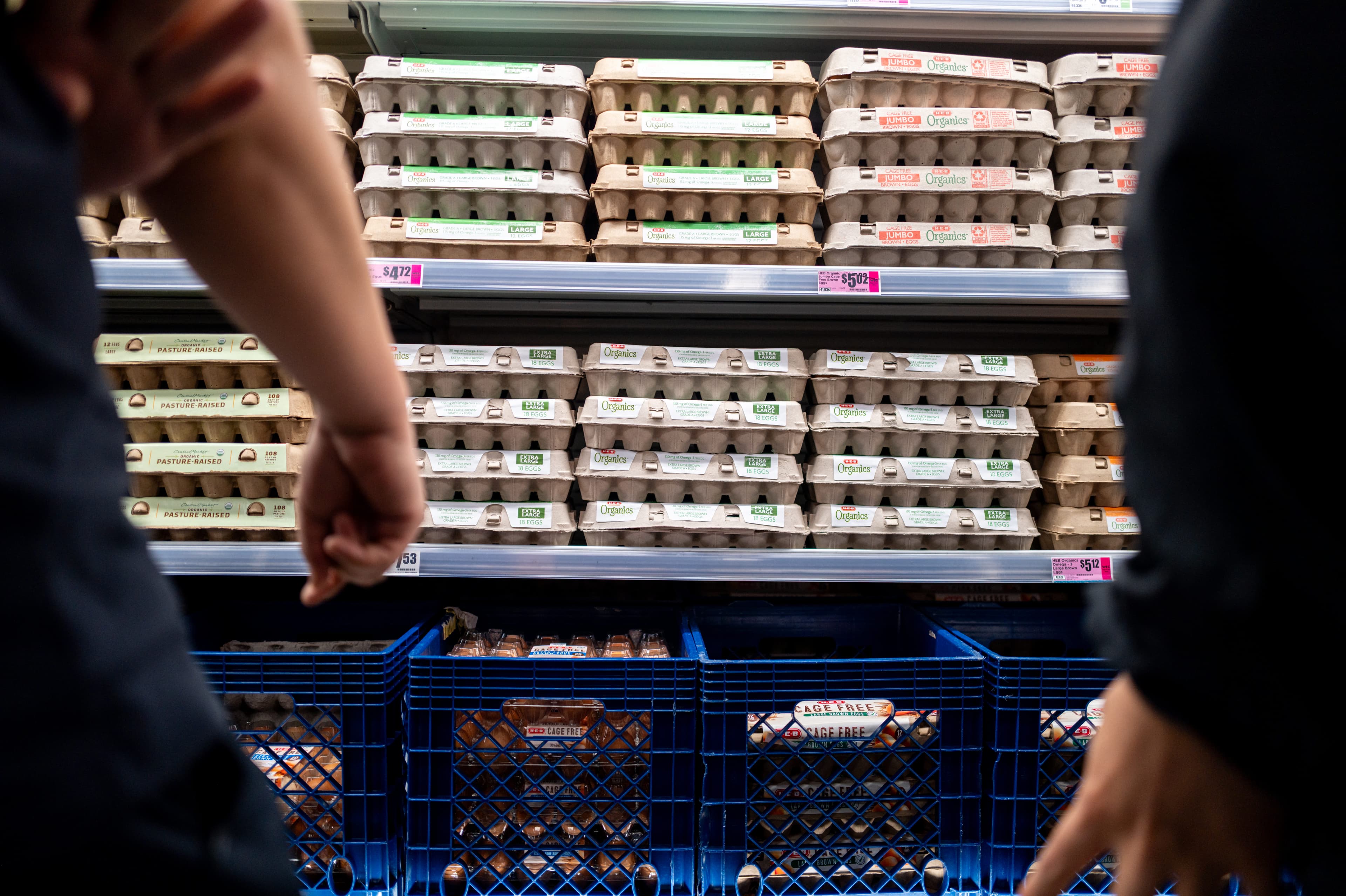
Photo via CNBC Business
The egg industry is experiencing a significant pricing correction as supply normalizes following avian flu disruptions that had tightened inventory over the past year. According to CNBC Business, the market is now flooded with eggs, driving prices down sharply from the elevated levels seen during the shortage period. For Texas egg producers—a key segment of the state's agricultural economy—this shift presents a complex challenge that extends beyond simple supply-and-demand dynamics.
While lower egg prices might seem beneficial for consumers and food service operators across the Dallas-Fort Worth region, producers warn that the economics are far more complicated. Feed costs, fuel expenses, and labor wages remain stubbornly elevated, creating a profit margin squeeze that threatens the viability of farming operations. Many producers face the difficult reality of selling products at lower prices while their operational costs refuse to decline at the same pace.
This margin compression underscores broader vulnerabilities in Texas agricultural production. Regional food manufacturers and restaurants that rely on eggs as key inputs may see near-term savings, but industry experts caution that prolonged unprofitability in egg production could eventually lead to supply constraints down the road. The sector's resilience depends on whether producers can manage costs or whether market prices stabilize at levels that support sustainable operations.
Dallas-area businesses in food service, retail, and manufacturing should monitor this situation closely. While current egg prices offer short-term cost relief, the long-term health of local and regional agriculture—and stable supply chains—depends on producers maintaining viable margins. Industry observers suggest this market dynamic may persist until either feed and labor costs moderate or pricing power returns to producers.