Photo via Yahoo! News
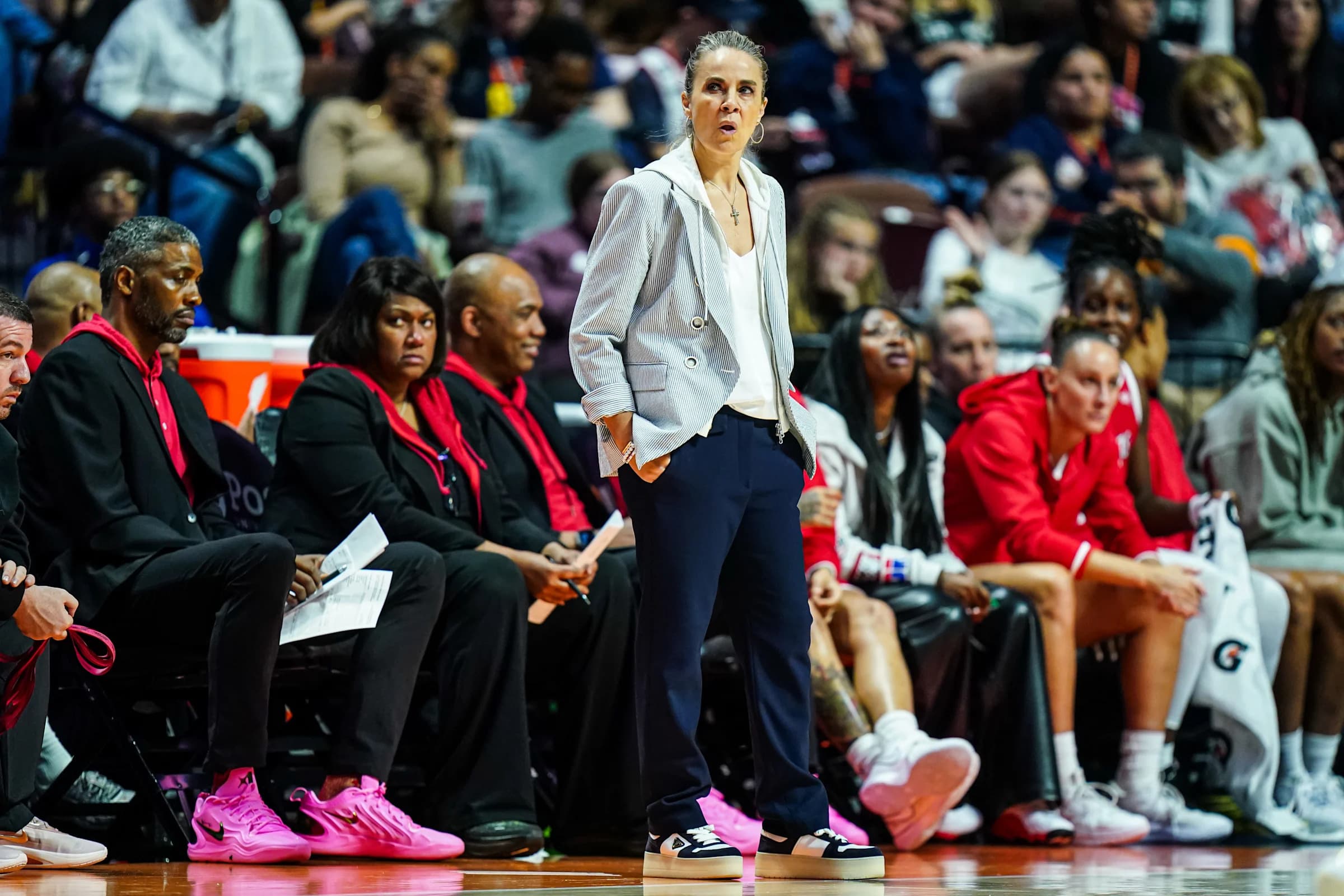
Becky Hammon, head coach of the defending champion Las Vegas Aces, has made her blazer-and-hoodie combination a defining part of her professional identity. According to Yahoo! News, this deliberate sartorial choice has become inseparable from the team's culture and winning mentality. For Dallas business leaders, Hammon's approach offers a case study in how personal presentation and consistency can reinforce organizational values.
The blazer-hoodie pairing represents more than casual styling—it's a statement about accessibility and authenticity. By maintaining this signature look across games, practices, and media appearances, Hammon signals predictability and intentionality to her team and the public. In professional environments across Texas, from corporate headquarters to sports management, leaders increasingly recognize that a consistent personal brand builds trust and establishes clear expectations.
Hammon's wardrobe strategy aligns with contemporary thinking about workplace culture, where leaders set the tone through visible, repeated behaviors. Unlike rigid dress codes that may feel outdated, her approach balances professionalism with approachability—a balance many Dallas organizations are working to achieve as workplace norms evolve. The Aces' championship success suggests that such cultural consistency, reflected even in seemingly small choices, contributes to team cohesion.
For executives and managers in the Dallas region, Hammon's example underscores a larger principle: intentional personal branding and consistency send powerful messages about leadership. Whether through dress, communication style, or daily rituals, leaders who commit to a recognizable identity help shape stronger organizational cultures. In competitive markets, that kind of cultural clarity can be as valuable as any strategic initiative.