Photo via Inc.
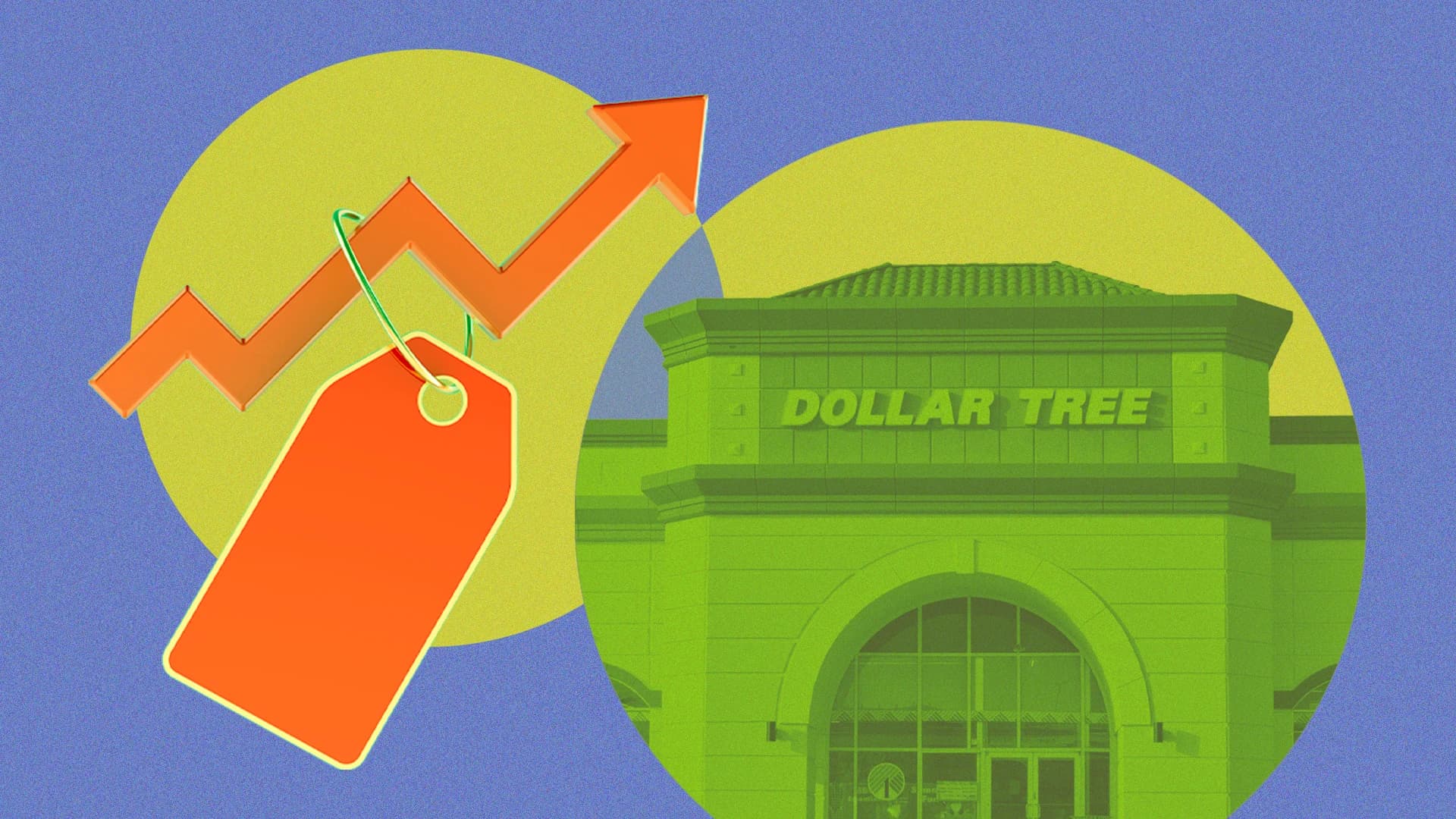
When Dollar Tree abandoned its famous $1 maximum price in 2021, industry observers questioned whether the chain could maintain customer loyalty while raising prices. According to reporting from Inc., the controversial move has proven financially successful, demonstrating that discount retailers can adapt their value proposition without losing market share. The shift reflects broader pressures on retailers grappling with inflation, supply chain disruptions, and rising labor costs.
The decision to move beyond the $1 ceiling allows Dollar Tree to improve profit margins on products that had become economically unsustainable at that price point. By permitting prices to reach $1.25 and higher, the chain addresses a long-standing tension between maintaining a iconic brand promise and operating profitably. This flexibility has resonated with consumers who recognize that true value extends beyond a single price tag.
For Dallas-area retailers and business owners, Dollar Tree's experience offers instructive lessons about pricing strategy and brand evolution. Many regional discount chains face similar pressures to balance affordability messaging with margin requirements. The company's successful transition suggests that consumers prioritize overall value and product selection over rigid price points, provided retailers communicate changes transparently.
As inflationary pressures continue affecting retail operations across Texas, Dollar Tree's model may inspire other discount chains to reassess their pricing frameworks. The company's willingness to evolve its core strategy while maintaining its discount positioning demonstrates that legacy retailers can remain competitive by adapting to economic realities without abandoning their core customer base.