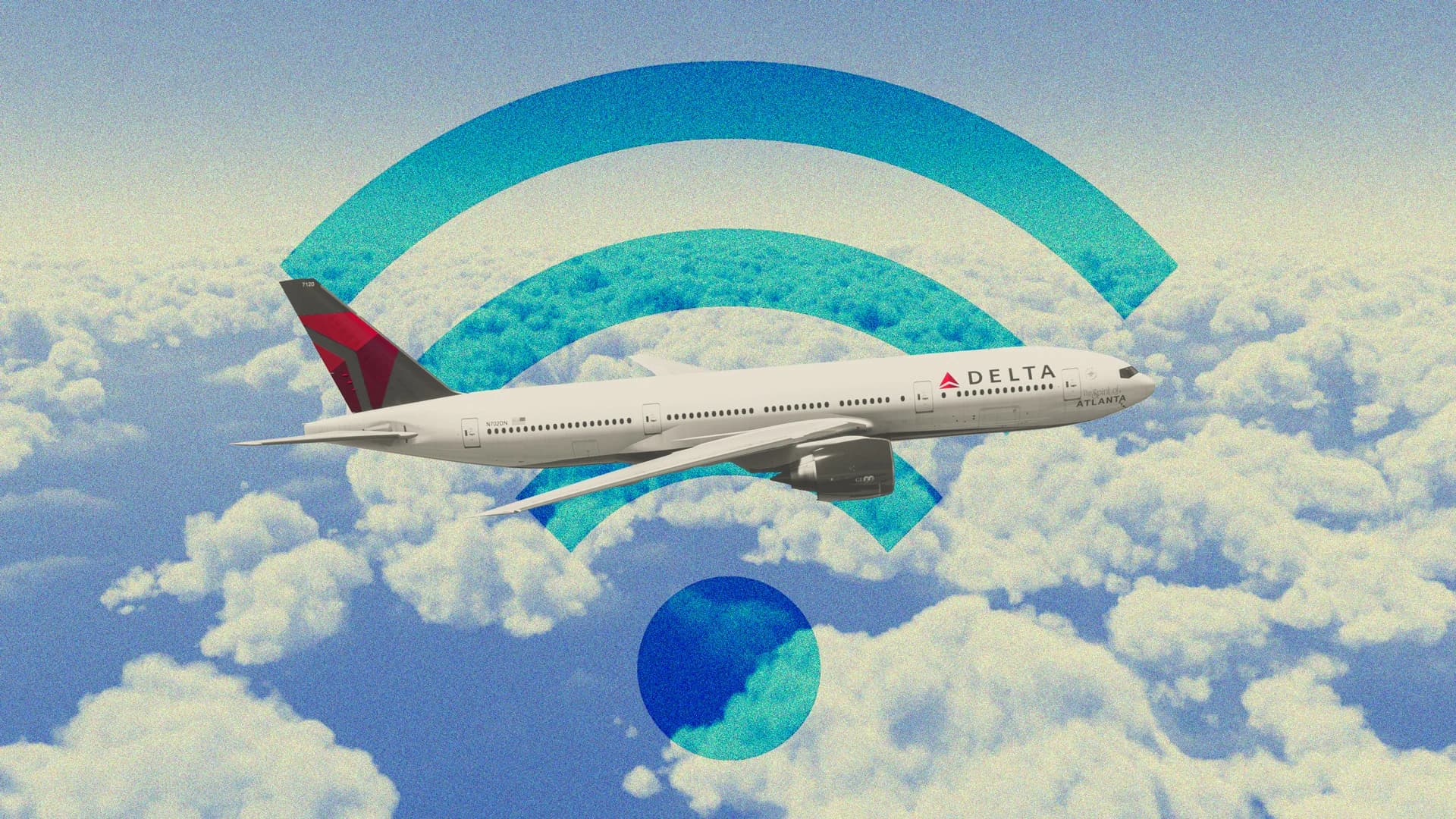
Photo via Inc.
Delta Airlines' recent decision to partner with Amazon for in-flight connectivity illustrates a growing tension between shareholder value and customer satisfaction in corporate America. According to Inc., while the partnership may deliver favorable results on the airline's balance sheet, the choice sacrifices what could have been a best-in-class passenger experience for travelers dependent on reliable connectivity.
The decision reflects a broader pattern in the airline industry where financial considerations often trump operational excellence. Dallas-based business travelers frequently depend on seamless in-flight connectivity for productivity, making this choice particularly relevant to North Texas executives who expect consistent service quality across their travel vendors. The partnership arrangement suggests Delta weighted cost containment more heavily than competitive differentiation.
For companies evaluating vendor partnerships, Delta's approach offers an important lesson: financial optimization shouldn't come at the expense of customer-facing quality. When businesses prioritize balance sheet metrics over experience metrics, they risk eroding the competitive advantages that drive long-term loyalty and market position. This dynamic extends beyond airlines to any industry managing critical customer touchpoints.
As corporate decision-makers navigate partnership opportunities, Delta's choice serves as a cautionary example of how short-term financial thinking can undermine strategic positioning. For Dallas-area business leaders, the takeaway is clear: evaluating partnerships requires balancing immediate cost savings against the potential damage to brand reputation and customer retention in increasingly competitive markets.