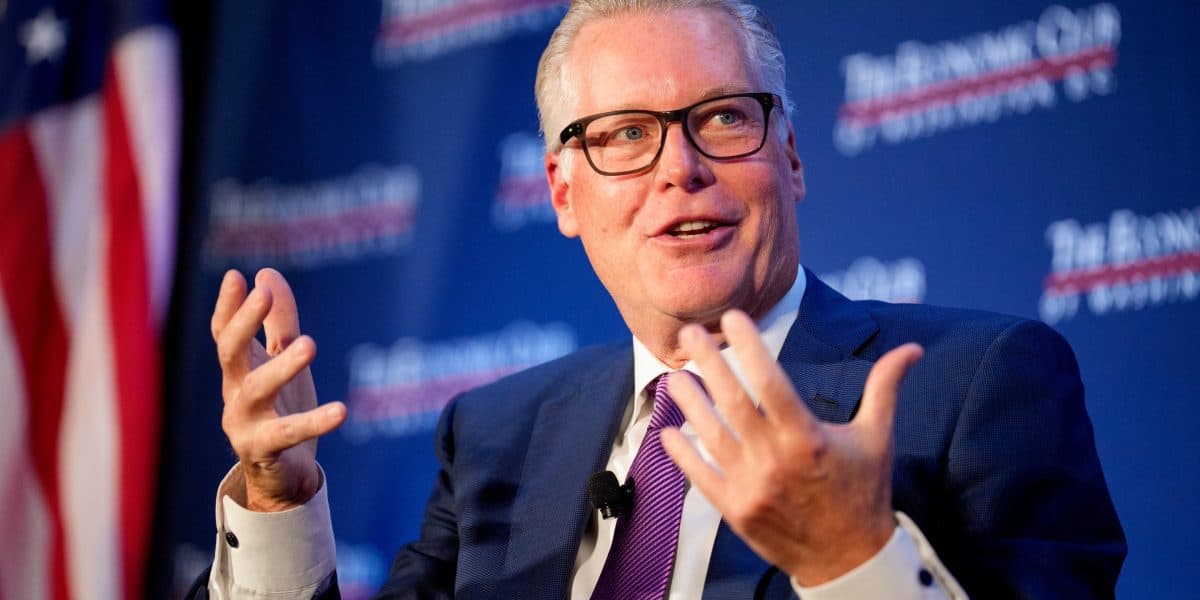
Photo via Fortune
Delta Air Lines CEO Ed Bastian recently demonstrated a critical lesson for Dallas executives: not every business task should be outsourced to artificial intelligence. According to Fortune, Bastian was preparing remarks for a college graduation ceremony when he decided to experiment with AI-generated content. After reviewing the machine-written draft, he rejected it entirely and returned to the traditional method of writing with pencil and paper.
Bastian's decision underscores a growing concern among business leaders as AI integration accelerates across industries. The CEO warned Generation Z graduates that over-reliance on AI tools risks eroding the authenticity and emotional resonance that humans bring to communication. For a Dallas business community increasingly adopting AI for efficiency gains, his message carries particular relevance as companies navigate the balance between technological advancement and maintaining human connection with stakeholders.
The distinction Bastian highlighted—between AI's technical proficiency and what he termed 'soul'—reflects a broader challenge facing modern leadership. As artificial intelligence becomes more sophisticated, executives must discern which applications enhance business operations and which risk diminishing the human elements that build trust, inspire teams, and create lasting impressions with clients and customers.
For Dallas-area professionals and business owners, Bastian's experience offers a practical reminder: AI excels as a tool for analysis, efficiency, and initial drafting, but high-stakes communications—whether addressing employees, clients, or the public—often demand the intentionality and authenticity that only human authorship can deliver. The most effective business strategy may be knowing when to embrace AI and when to pick up the pencil instead.