Photo via Fast Company
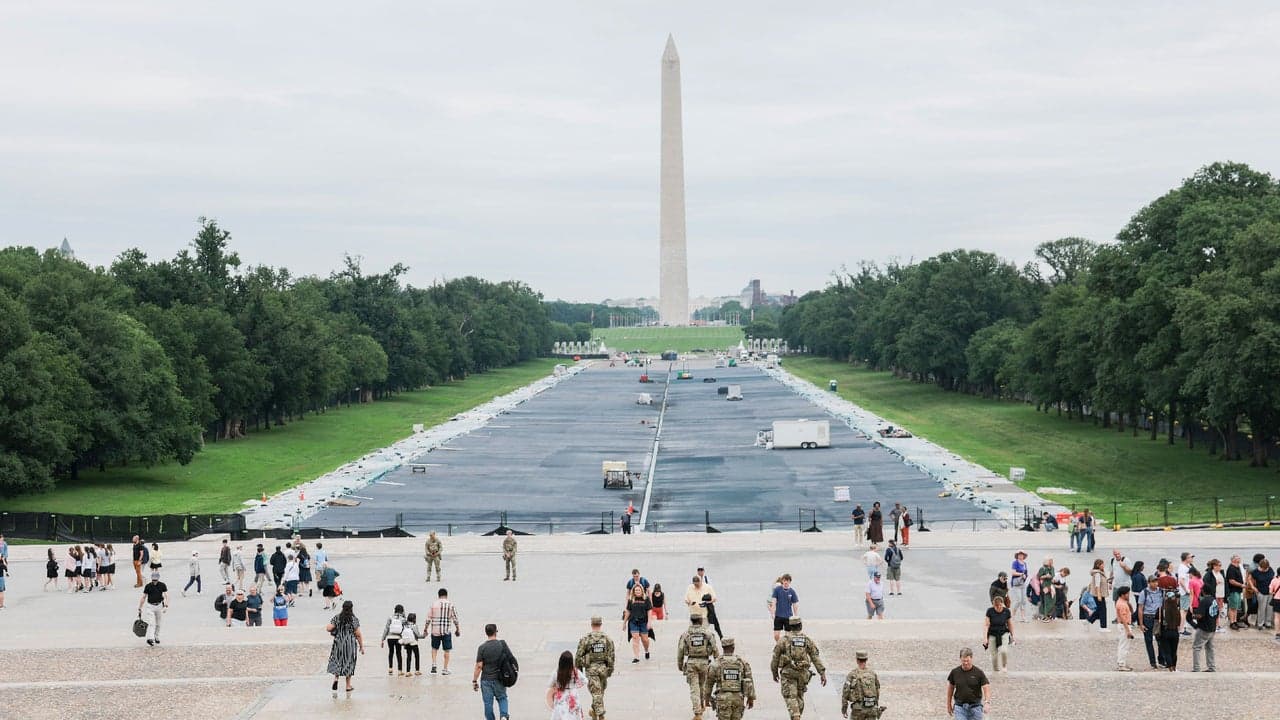
Washington, D.C. is preparing for an unprecedented convergence of entertainment and patriotic celebration this summer, according to Fast Company. While the capital won't host World Cup matches, it's creating an official FIFA Fan Zone on the National Mall, running from mid-June through mid-July. The activation will include live match screenings, interactive soccer experiences, food and beverage vendors, and cultural programming—a strategy similar to free fan zones popping up in other World Cup host cities like New York that aim to democratize access to the tournament.
The D.C. initiative also capitalizes on America's 250th anniversary, positioning the National Mall as ground zero for a dual celebration. The Great American State Fair will occupy adjoining grounds, featuring state showcases and a 110-foot Ferris wheel, with performances by major entertainment acts running through early July. For Dallas business leaders evaluating event strategy and experiential marketing, these overlapping activations demonstrate how cities bundle attractions to extend visitor dwell time and maximize economic benefit during peak tourism seasons.
The scale of D.C.'s summer plans underscores the competitive landscape for destination events. Beyond the Fan Zone and state fair, a UFC fight is scheduled on the White House grounds, further fragmenting visitor attention and spending across multiple venues. Dallas—increasingly positioning itself as a premier sports and entertainment destination—can observe how cities manage logistics, partnerships, and stakeholder expectations when orchestrating major concurrent events.
The public reception to D.C.'s plans has been mixed, with social media pushback suggesting that entertainment spectacles alone don't guarantee universal enthusiasm. For Dallas hospitality, retail, and real estate stakeholders considering similar major event bids or programming, the case offers valuable perspective on how community sentiment factors into event success and long-term brand perception.