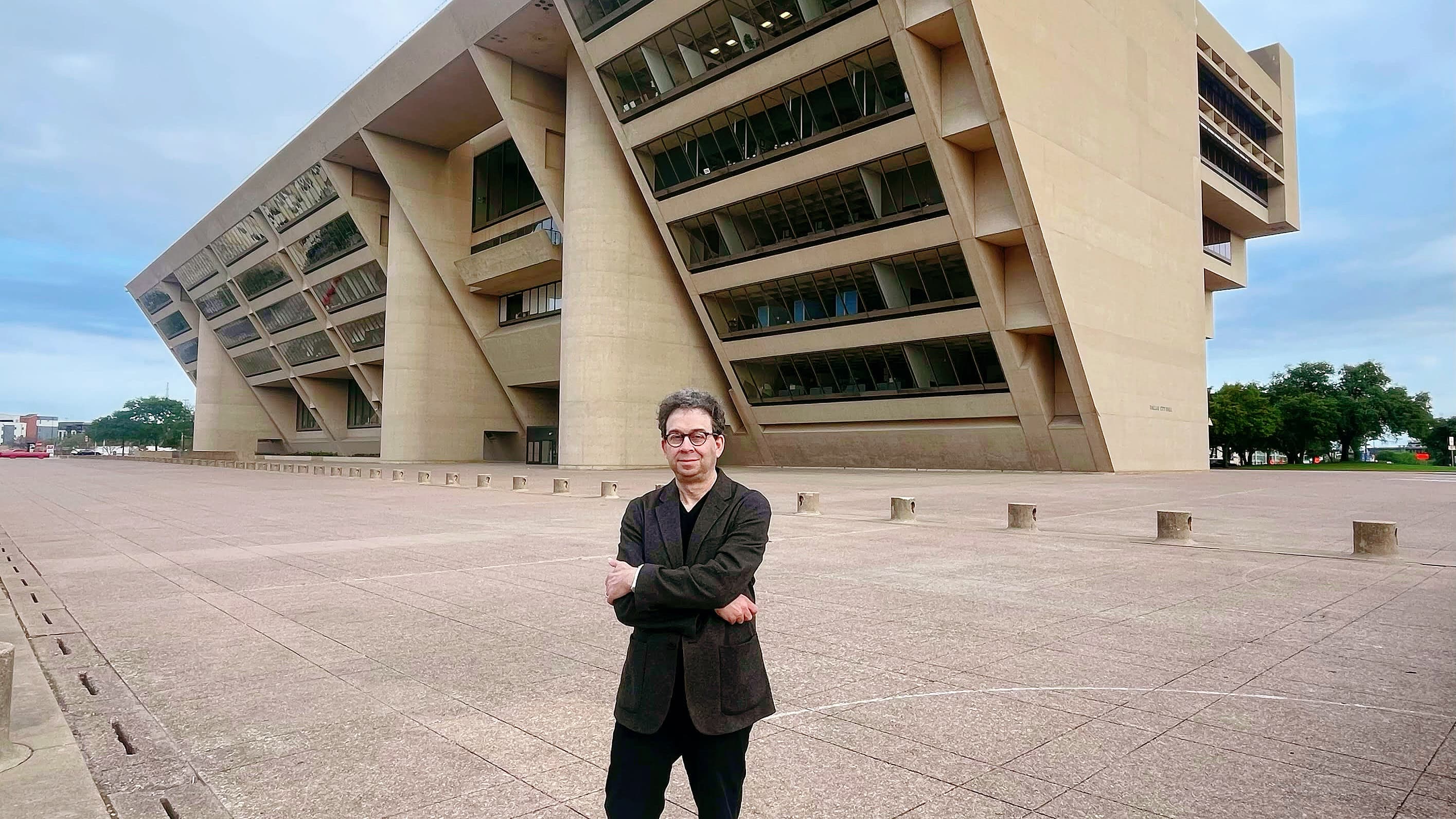
Photo via Keycrew.co
According to research from KeyCrew's network of 3,500 real estate experts, the industry's most pressing issue isn't a lack of technological innovation—it's the fragmentation of data across incompatible systems. While proptech solutions continue to proliferate, the real estate professionals managing Dallas properties and transactions report that their software ecosystems are becoming increasingly brittle and disconnected rather than more unified.
The Dallas real estate market, which has experienced significant growth in both commercial and residential sectors, is particularly vulnerable to these integration challenges. As firms expand operations across multiple markets and property types, the inability to consolidate data from disparate platforms creates operational inefficiencies, delayed decision-making, and missed opportunities for optimization—issues that directly impact a company's competitive positioning in a market as dynamic as North Texas.
Industry operators and brokers surveyed by KeyCrew identified a paradox: while artificial intelligence and advanced analytics promise unprecedented insights into market trends and property performance, those benefits remain locked within isolated systems that don't communicate effectively. For Dallas-based real estate companies seeking to leverage AI for competitive advantage, the fragmentation problem represents a more immediate obstacle than technology limitations.
The consensus points toward a critical need for standardized data architecture and interoperability across proptech platforms. Companies in the Dallas market that can successfully integrate their technology stacks and create clean, connected datasets will likely gain significant advantages in operational efficiency, speed to market, and data-driven decision-making in the coming years.