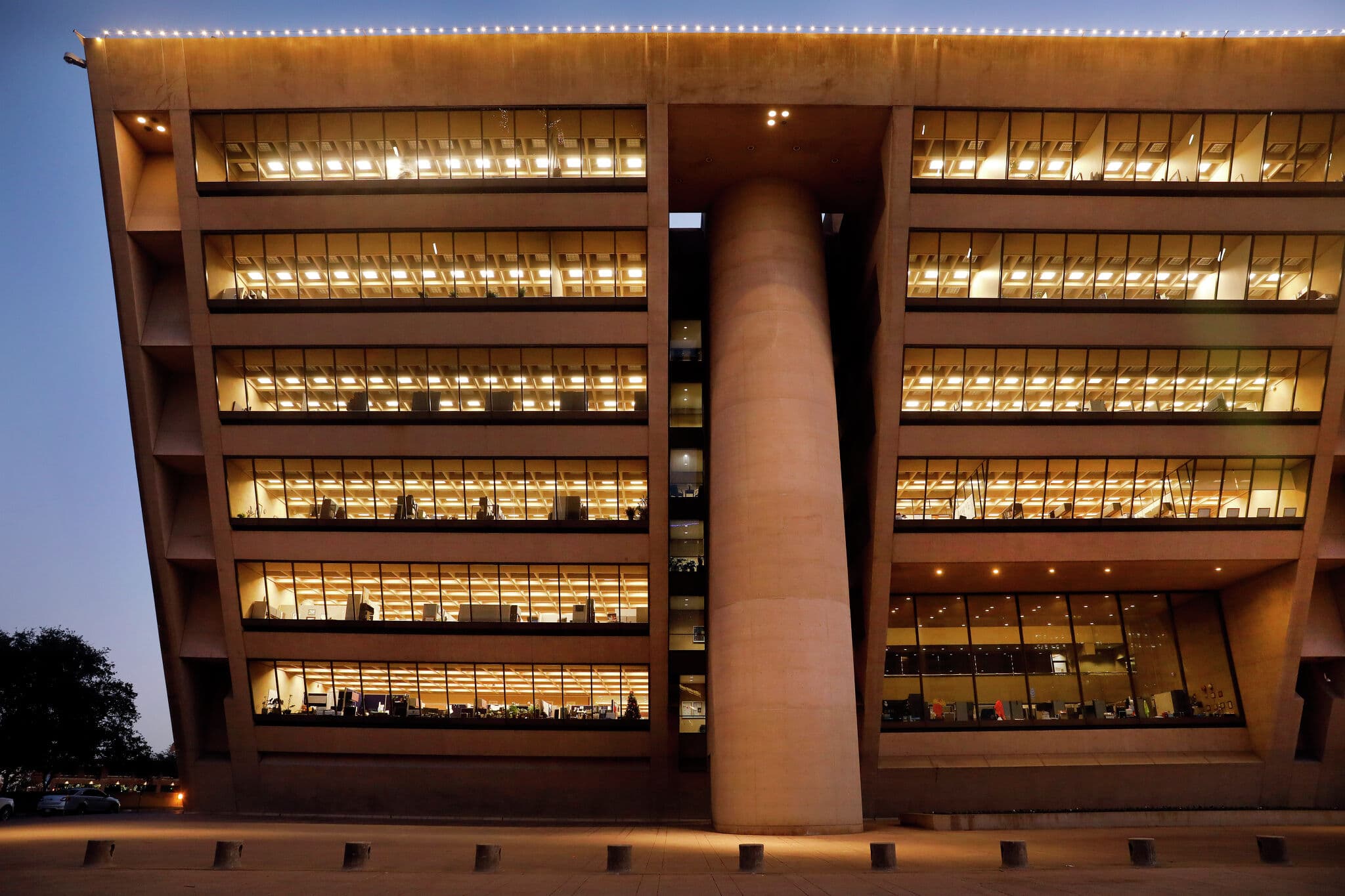
Photo via Dallas News
According to Dallas News analysis of state allocation data, Dallas is experiencing notably slower sales tax growth compared to major suburban markets across North Texas. This disparity signals a potential shift in where consumers and retailers are choosing to spend and establish operations, with implications for the city's tax base and economic development strategy.
The underperformance reflects broader demographic and commercial trends reshaping the Dallas-Fort Worth region. As suburban communities expand and modernize their retail infrastructure, traditional urban shopping districts face increased competition. For Dallas-based retailers and commercial real estate stakeholders, this metric underscores the importance of adapting to changing consumer preferences and foot traffic patterns.
The sales tax growth gap carries significant consequences for municipal budgets and economic planning. Slower revenue growth in Dallas compared to surrounding cities may constrain the city's ability to fund infrastructure projects, public services, and economic development initiatives. Local business leaders and policymakers are likely to scrutinize retail recruitment strategies and urban revitalization efforts to reverse the trend.