Photo via TechCrunch
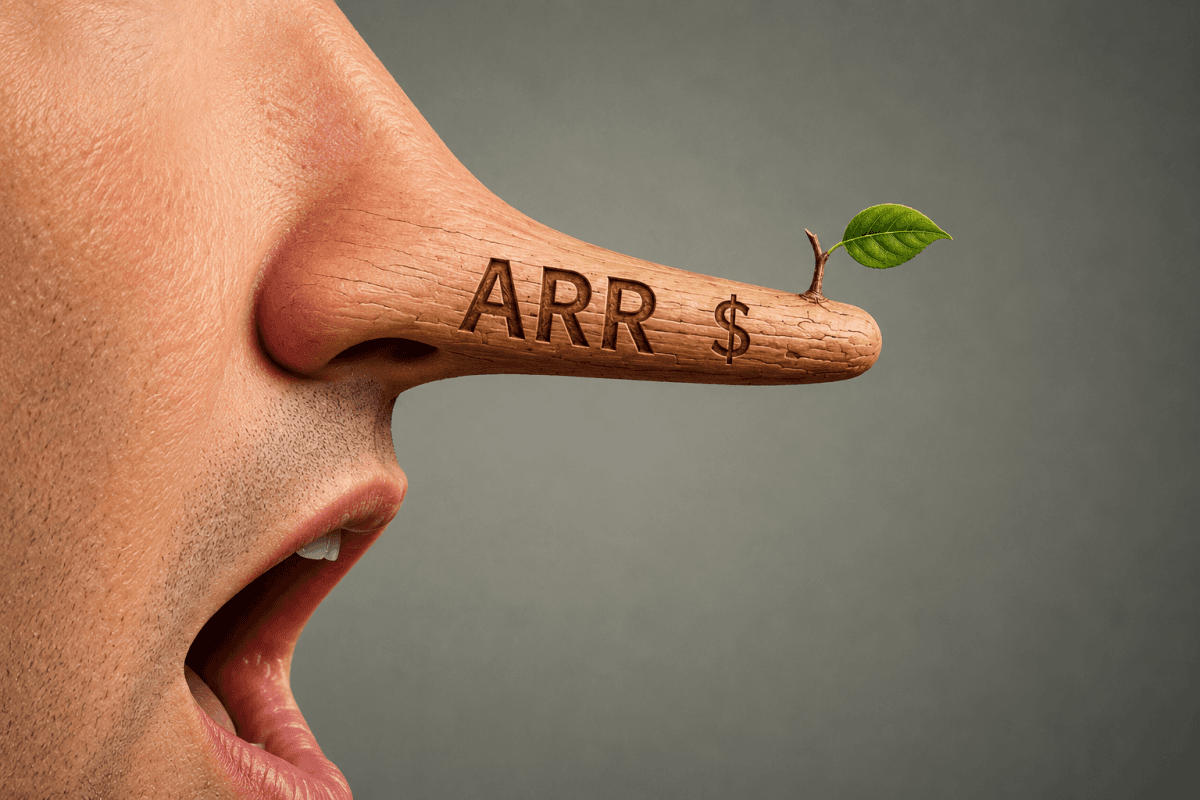
The artificial intelligence startup boom has created a Wild West environment for financial metrics, with some founders and their backers bending traditional accounting practices to present rosier pictures of company health. According to TechCrunch reporting, the practice of inflating Annual Recurring Revenue (ARR) figures has become common enough that even sophisticated venture capital firms are aware of the manipulation—and sometimes complicit in promoting it. For Dallas-area entrepreneurs and investors evaluating AI opportunities, this signals a critical need for deeper due diligence.
ARR is a standard metric venture capitalists use to assess software company valuations and growth trajectories. By stretching the definition of what qualifies as recurring revenue, some AI startups are able to claim faster growth rates and command higher valuations than traditional metrics would support. This practice becomes particularly tempting in the AI space, where genuine product-market fit can be difficult to establish quickly, and investor appetite for the category remains outsized relative to proven business models.
The implications for North Texas's growing tech ecosystem are substantial. As Dallas-Fort Worth attracts more venture capital and startup activity, local founders and board members must maintain rigorous financial integrity to build sustainable companies and preserve the region's business reputation. Investors backing local AI ventures should demand transparent accounting practices and reconcile reported figures against actual customer contracts and payment schedules rather than relying solely on optimistic projections.
For established Dallas companies exploring AI partnerships or acquisition targets, understanding these red flags in financial reporting becomes essential risk management. The short-term allure of inflated metrics can obscure fundamental business weaknesses that emerge only after investment or integration. Building a strong, credible startup ecosystem requires that both founders and investors prioritize honest accounting over headline-grabbing growth claims.